You recently paid to replace a broken coil spring, so finding another broken spring on the same vehicle is frustrating. New springs are designed to carry the vehicle's weight and absorb repeated suspension movement, but they rely on mounting parts, dampers, and wheel geometry that must also be in good condition. An early repeat failure calls for a careful inspection. Replacing a broken spring without investigating the cause often leaves the same stress on the next one.
Coil Springs Carry Load While the Suspension Moves
A coil spring supports part of the vehicle's weight and allows the wheel to move over bumps. The shock absorber or strut controls that movement so the body doesn't keep bouncing. Springs are made for specific loads, ride heights, and suspension designs. A spring with the wrong load rating or dimensions changes suspension forces and sometimes rubs nearby parts during travel.
Your replacement spring must match the vehicle's engine, equipment, and axle load. A part that fits physically isn't always the correct specification. Two otherwise similar cars use different springs when their engines, cargo ratings, or suspension packages differ. A new spring should sit correctly in its designated seats. Incorrect installation creates contact points and damage even if the vehicle initially sits at the right height.
Incorrect Spring Seating Concentrates Stress
Coil springs must rest in the designed position against upper and lower seats or isolators. A spring installed on debris or with missing support hardware carries uneven loads through its coils. Some designs use specific end positions or rubber pads. A damaged spring seat sometimes pinches a coil and creates a stress point that eventually cracks.
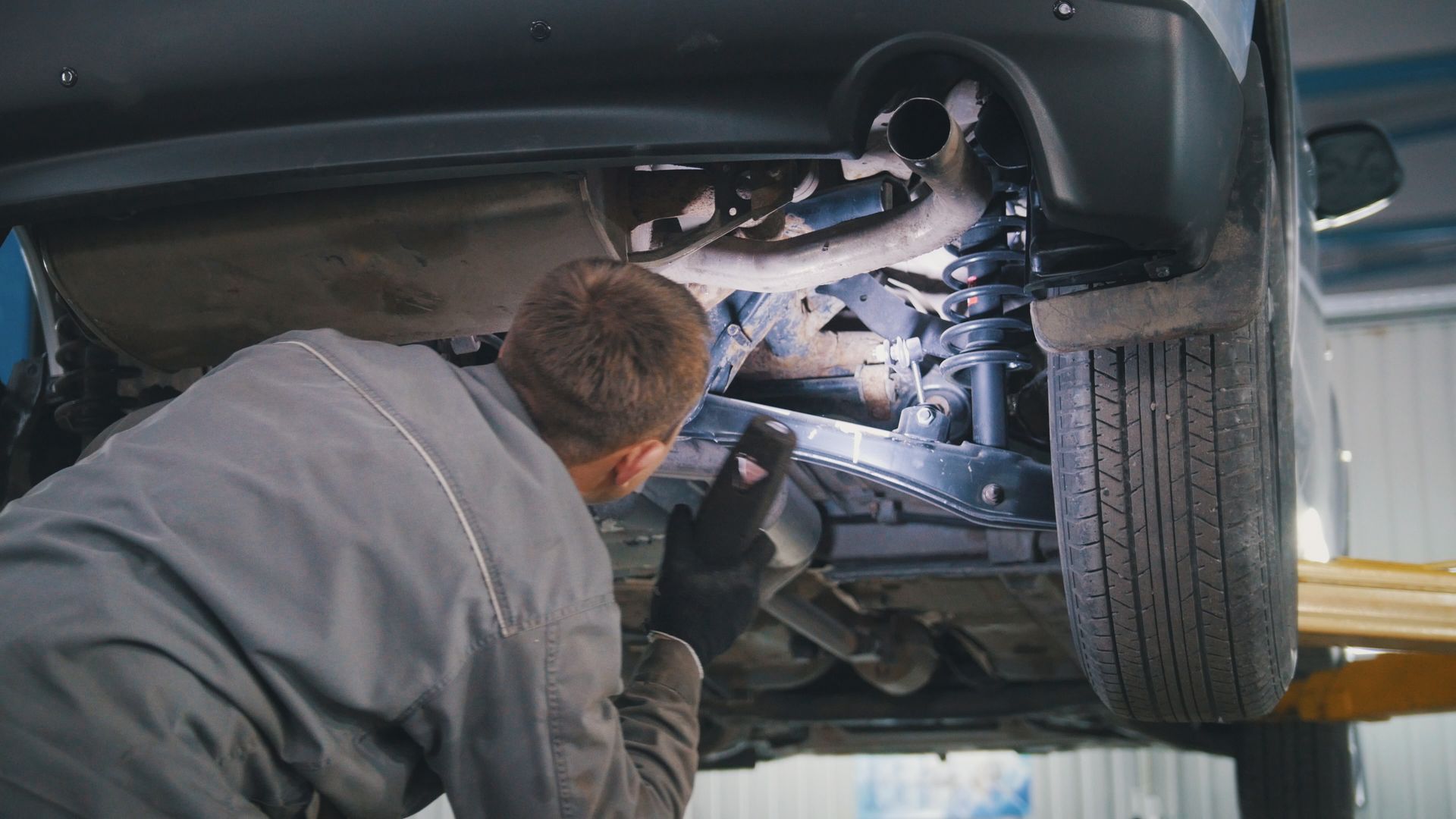
During a repeat-failure inspection, we examine the spring's installed position and the surfaces that support it. Did the new spring make an unusual popping sound during the first few turns after replacement? That wear pattern often points toward movement or binding at the spring mount. Installing another spring without examining the seat and isolator leaves the original cause in place.
Corrosion and Damaged Coatings Reduce Spring Strength
Springs are protected by coatings that limit corrosion. Road salt, trapped moisture, and abrasion wear away protective coatings and expose the metal to corrosion. Corrosion pits concentrate stress and help fatigue cracks develop over repeated suspension cycles. A new spring should not have severe corrosion, but installation damage or contact with another component can compromise its protective finish.
We inspect the surrounding wheel well, spring seat, and nearby parts for rubbing or trapped debris. A spring that contacts a sharp bracket or damaged isolator will continue to wear even after replacement. Regular maintenance includes washing heavy salt buildup from the underbody and checking vulnerable components during tire service. Rust on an old spring seat often requires repair before it can support the replacement properly.
Worn Shocks or Struts Can Increase Suspension Stress
The spring carries weight, while the damper controls the rate and extent of suspension movement. When shocks or struts are weak, the suspension can bounce repeatedly and reach its travel limits more often. Damaged bump stops or incorrect mounting hardware can also permit harsh impacts. Those conditions don't guarantee a spring will break, but they call for inspection when a replacement fails unusually soon.
Leaking dampers, worn bump stops, damaged mounts, and metal-to-metal contact put unusual loads on a new coil spring. Those issues need to be addressed together. A spring broken after a pothole impact sometimes points to a bent part or a concentrated load. Replacing the spring without inspecting the related suspension parts is incomplete, particularly when you also report bottoming out or excessive body movement.
Overloading and Repeated Road Impacts Add Risk
Every suspension design has a rated load capacity. Carrying cargo beyond the vehicle's limits or towing with improper weight distribution puts extra stress on rear springs and other components. Hard pothole or curb strikes send sudden forces through the spring and its seats. Even a correct new spring has limits, and it isn't intended to compensate for a vehicle carrying more weight than approved.
If a work vehicle repeatedly carries heavy equipment, review the axle and payload ratings before fitting replacement springs. Normal cargo load and any recent pothole or curb impact help explain why a replacement spring failed early.
A higher-rate aftermarket spring isn't automatically the answer because it can change ride height and handling. The correct repair starts with the vehicle's intended use and the actual cause of the failure.
Why the Opposite Side and Mounts Need Checking
When one spring breaks from age or corrosion, the opposite side often shows similar deterioration. On some vehicles, paired replacement is recommended to keep ride height and suspension response consistent. The exact decision depends on manufacturer guidance, part condition, and the available replacement components. A severely rusted seat or bent control arm also needs repair before new suspension hardware is installed.
Watch for these signs after spring replacement:
- A new clunk during tight turns
- Uneven ride height from side to side
- Visible rubbing at a coil or spring seat
- Repeated bottoming out over small bumps
- Abnormal tire wear after suspension work
The entire affected suspension corner needs examination, with the opposite side as a helpful reference. A broken spring can sometimes result from another nearby fault. A repeat breakage should lead to measurements and a clear explanation, not an automatic repeat of the original invoice.
Verification After a Replacement Spring Is Installed
Some suspension procedures require tightening mounting bolts at normal ride height and checking alignment afterward. Incorrect hardware torque or damaged bushings can leave the suspension moving outside its intended path. We check spring seating, ride height, damper operation, and nearby clearances before the car returns to normal use. A road test confirms the original noise or handling complaint has been corrected.
Future maintenance visits are an opportunity to monitor corrosion and suspension wear, especially after winter driving. A new spring that fails quickly is a sign to investigate installation, supporting hardware, and operating loads. Finding the source of the stress protects both the replacement part and your confidence in the vehicle.
Get Coil Spring and Suspension Inspection With Paul Campanella’s Auto Centers
Paul Campanella’s Auto Centers serves drivers in Delaware and Pennsylvania with suspension inspections, coil spring replacement, and related steering and ride concerns. We'll check why a spring failed and what needs correction.
Call
Paul Campanella’s Auto Centers or schedule a suspension appointment online.