An intake manifold gasket has a simple assignment: keep the joint sealed where the manifold meets the engine. When that seal leaks, air enters through a path the engine wasn't designed to use.
The change often shows up at idle. The car shakes at a stoplight, the engine speed wanders, or the vehicle feels close to stalling. Sometimes a warning light appears before the roughness becomes obvious.
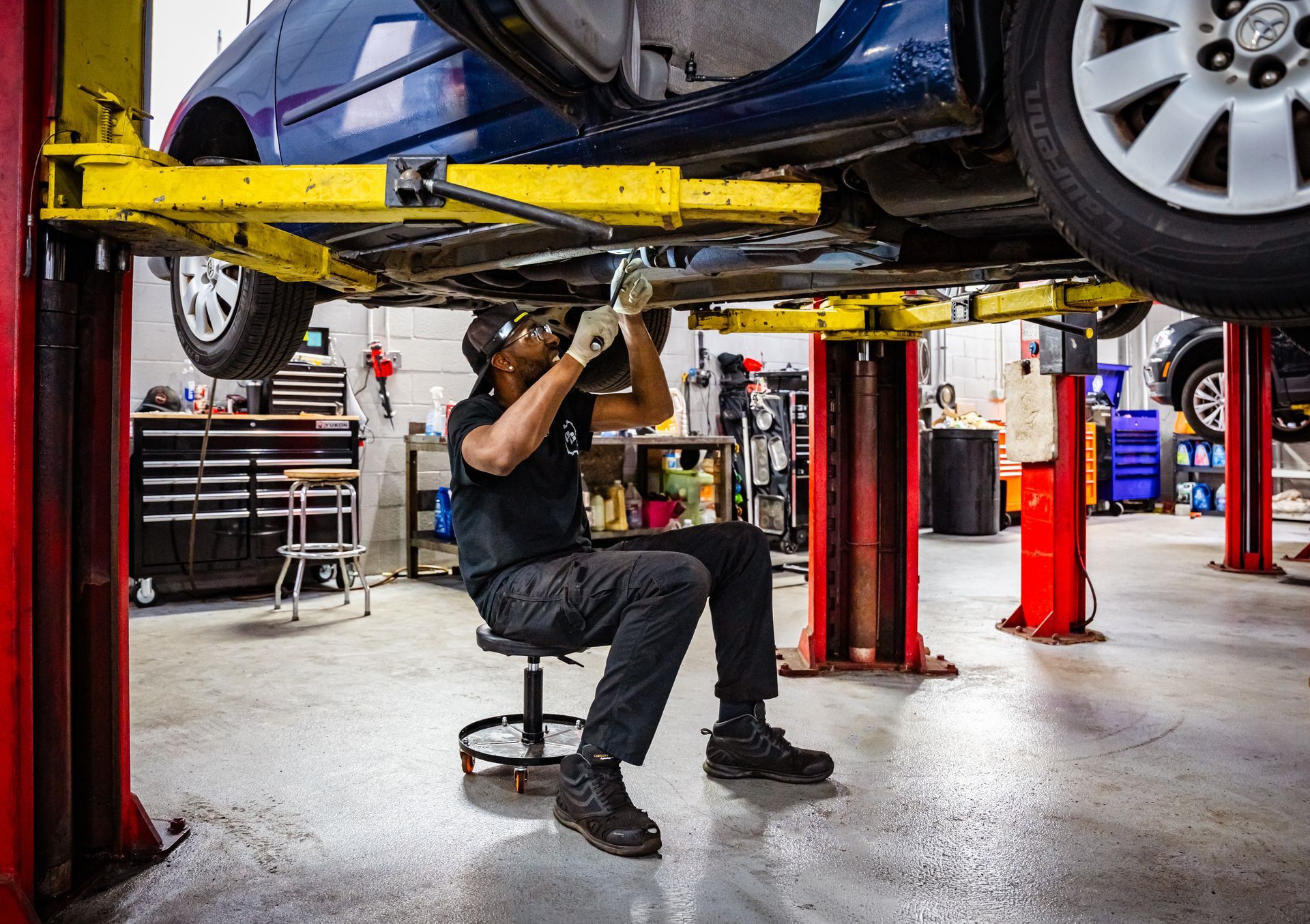
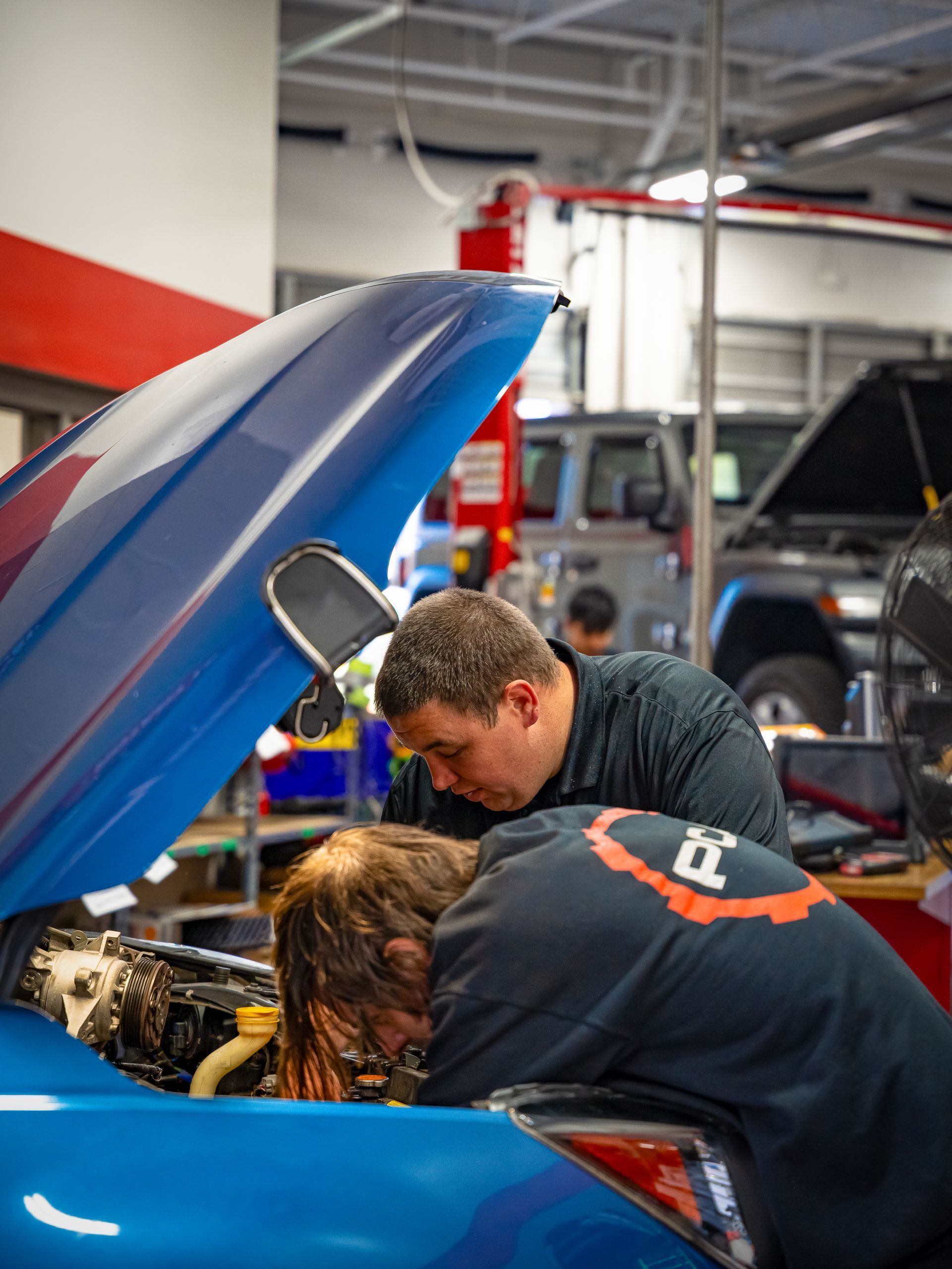
At Paul Campanella’s Auto Centers, we check where the air is entering before recommending gasket replacement. A split intake hose and a leaking manifold gasket can cause similar symptoms, but they require different repairs.
What the Intake Manifold Gasket Seals
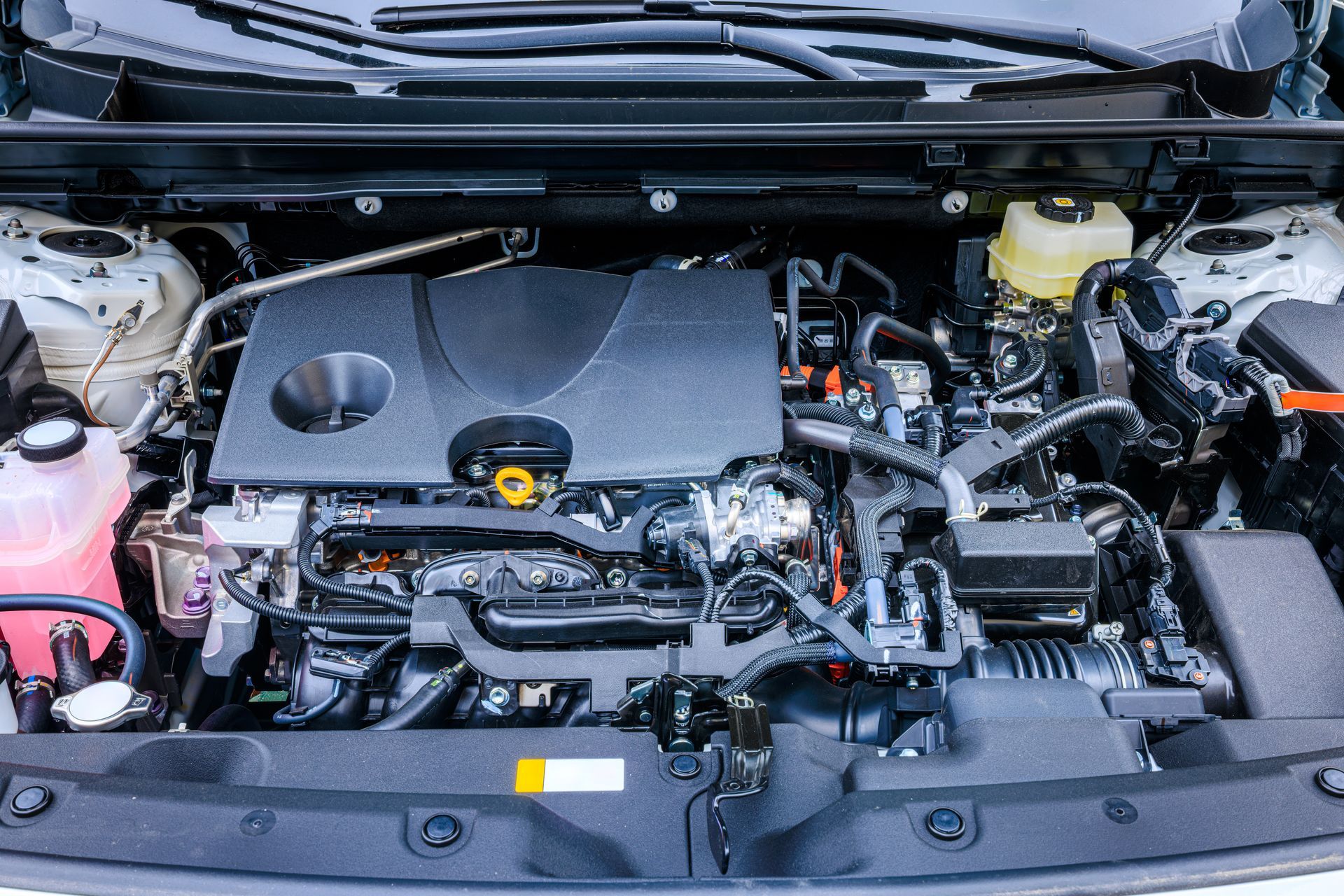
The intake manifold distributes incoming air toward the cylinders. Its gasket seals the connection to the engine, keeping airflow within the intended passage. Depending on the design, other seals and connected systems also sit around the manifold. Engine heat and years of operation affect gasket materials. Plastic manifolds, mounting surfaces, and nearby connections experience temperature changes each time the car warms up and cools down. A failed seal opens a route for air to bypass the normal intake path.
On engines that measure air upstream, that extra air interferes with the expected fuel mixture. The controls try to correct it, but a growing leak eventually causes poor running or fault codes outside the normal range.
Rough Idle From an Intake Manifold Air Leak
At idle, the engine uses relatively little air. A leak adds a larger share to that small amount, which helps explain why the symptom is often stronger at a stop than while cruising.
You might feel shaking through the seat or steering wheel. Engine speed rises and falls, or the car nearly stalls when you release the accelerator. Note whether the trouble starts cold, after warming up, or only when the vehicle stops.
The operating pattern helps us choose the tests. Some seals change their leakage as components expand with heat. Checking the engine under the conditions that trigger the complaint is more revealing than checking it only when it runs smoothly.
Check Engine Lights and Lean Running
The engine's controls monitor how combustion responds and adjust fuel delivery. Extra intake air pushes those corrections in a direction the system doesn't expect.
A lean-mixture code gives us a reason to check air intake, fuel supply, and the engine controls' readings. The code describes a detected condition. Testing locates the fault that produced it.
If one bank of cylinders is affected more than the other, that pattern also guides inspection. We review the live readings with the engine's layout in mind, then check the suspected leak path. Ordering a sensor just because its name appears in a code description risks leaving the gasket leak untouched.
Hissing and Hesitation From Intake Leaks
A leak sometimes makes a hiss or whistle as air passes through the opening. The sound changes with engine speed and the pressure difference across the seal. You don't need to reach around a running engine to find it. Describe where the sound seems strongest or bring a recording taken from a safe position. Hot surfaces, belts, and electric fans make close inspection a job for the shop.
A hesitation when pulling away is another symptom to report. As the driver opens the throttle, the air-fuel balance changes, and a leak complicates the engine's response. Explain whether the car hesitates only from a stop or also during steady acceleration.
Other Leaks That Resemble a Manifold Gasket Problem
The intake system includes more than the manifold seal. Cracked boots, vacuum hoses, crankcase ventilation connections, and seals around attached components also let air enter where it shouldn't.
We inspect the surrounding parts and use controlled leak testing when the engine's procedure calls for it. The test method and pressure need to match the system so the inspection finds the opening without damaging a component.
For some engines, the intake manifold also sits near coolant passages or related plumbing. Coolant loss requires its own checks. A falling level shouldn't be treated as proof that every manifold gasket design carries coolant through the same place.
Symptoms to Mention Before Intake Gasket Service
When arranging an appointment, describe:
- Shaking or changing engine speed at idle
- Stalling when you stop or release the accelerator
- A hiss or whistle near the intake
- Hesitation when pulling away
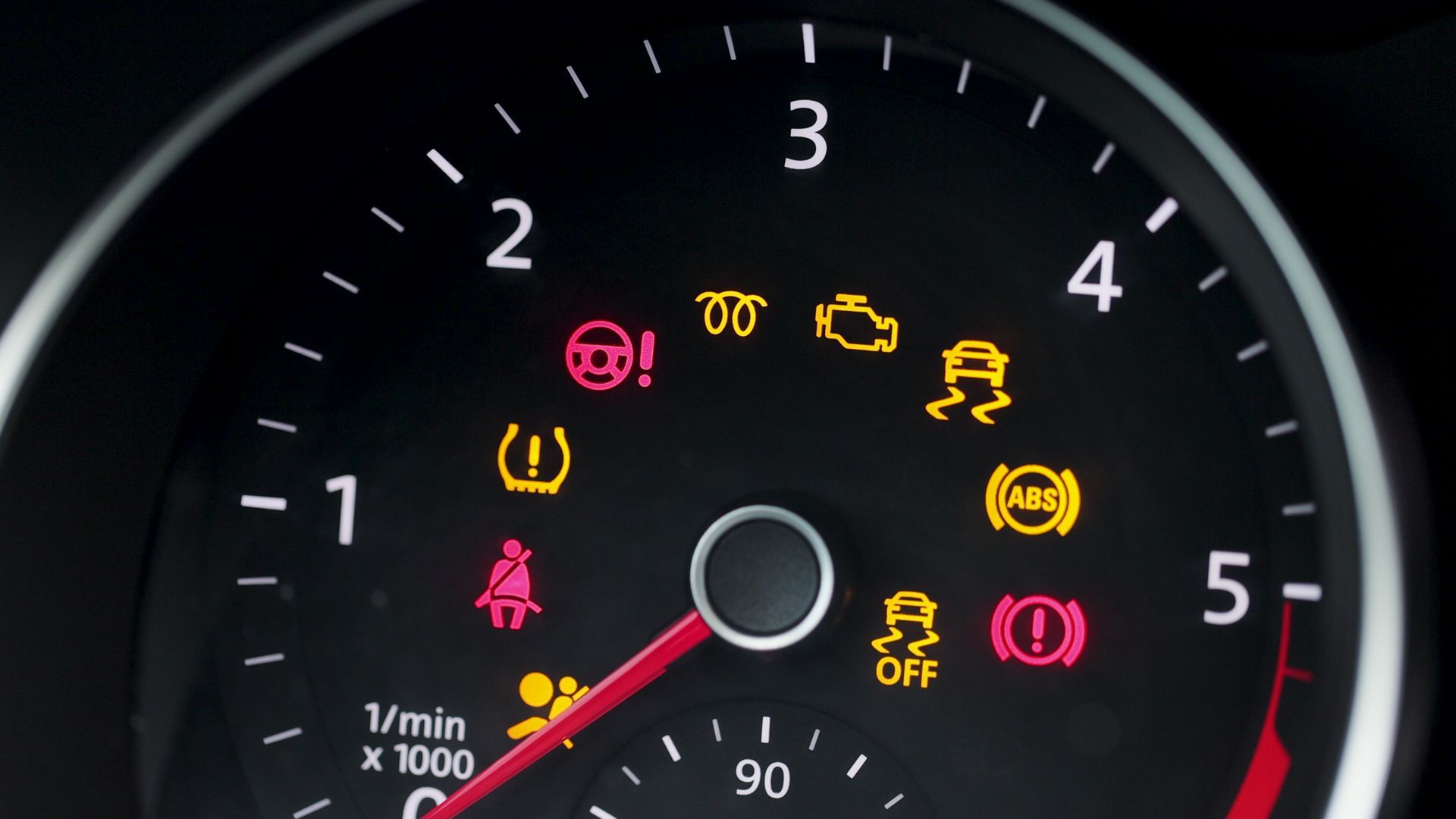
- A check engine light or earlier scan results
- Recent work around intake hoses or the manifold
The last detail often changes where we begin. A connection disturbed during another repair sometimes explains a symptom that appeared immediately afterward.
What Intake Manifold Gasket Replacement Involves
Access varies by engine. Some manifolds are easy to reach; others sit beneath wiring, hoses, brackets, and other components that must be carefully removed and reinstalled.
Once the leak is confirmed, the repair includes inspecting the manifold and mating surfaces. A damaged or warped component needs a different plan from a sound manifold with a failed gasket. Replacing the seal against an unrepaired damaged surface invites another leak.
We follow the required installation method, including fastener sequence and tightening instructions. Nearby seals or parts disturbed during removal should be reviewed at the same time. The estimate should explain the gasket work and any connected repairs before the job proceeds.
Checking the Engine After Gasket Replacement
Final checks should confirm the repaired joint holds and the engine responds correctly. Live operating readings, idle quality, and a road test where the complaint requires one help verify the result.
A flashing check engine light with severe shaking means you should stop safely and arrange help. Continued misfiring risks catalytic-converter damage, so don't keep driving to see whether it settles down.
Save the findings with the invoice. If another running complaint appears later, those records show which leak was repaired and how the engine behaved afterward.
Intake Manifold Gasket Service at Paul Campanella’s Auto Centers
Paul Campanella’s Auto Centers serve drivers in Delaware and Pennsylvania with intake leak and engine-performance concerns. Explain when the rough idle or hesitation appears, and bring any previous repair or scan information so we can review the engine's history.
Schedule intake manifold leak testing with
Paul Campanella’s Auto Centers and get a repair plan based on the leak found in your vehicle.