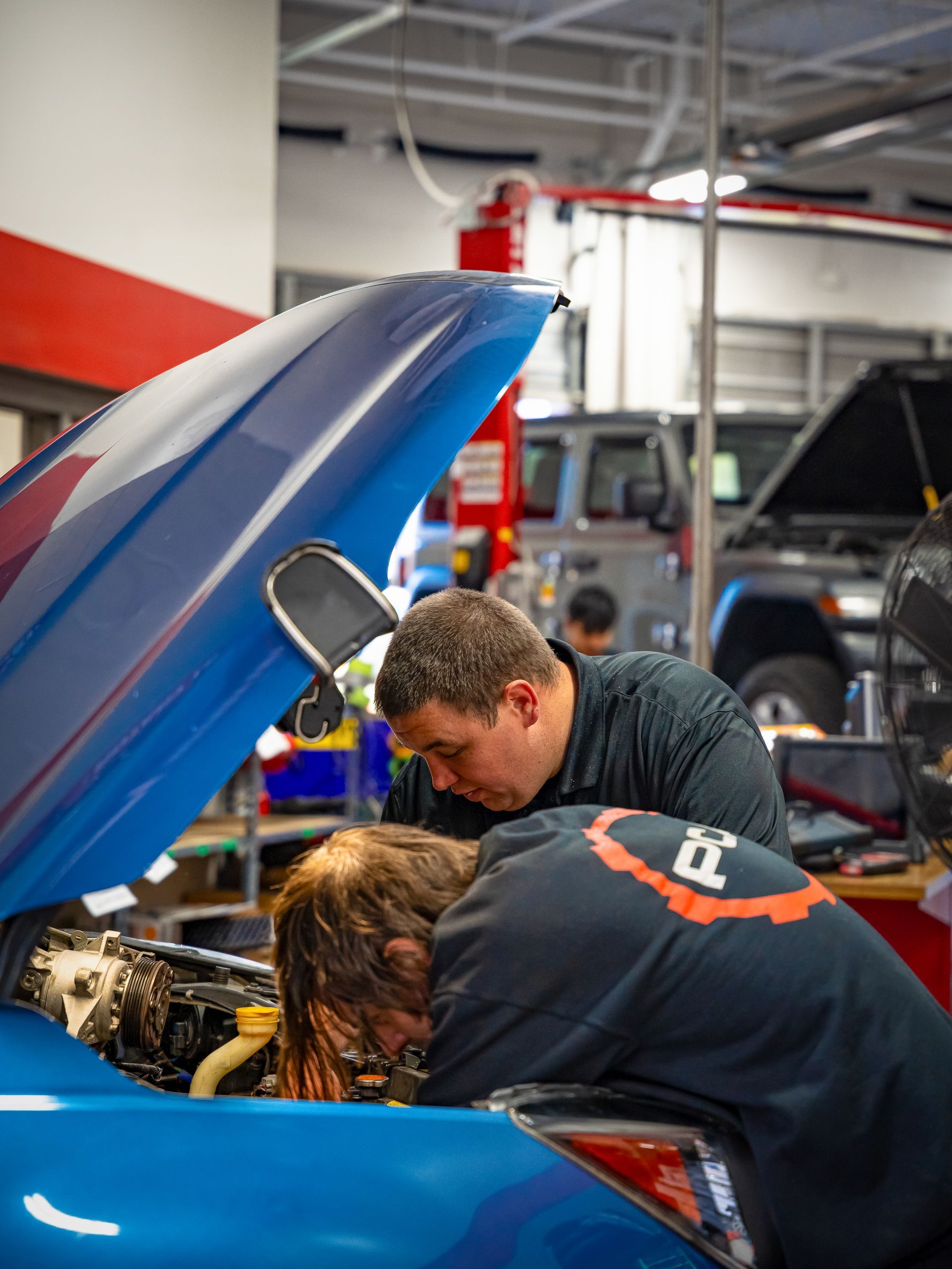
It is incredibly exciting to drive a hybrid vehicle off the lot. You get to watch your fuel economy numbers climb to places you never thought possible, and you spend significantly less time standing at the gas pump watching the dollar figures tick upward. With electric vehicle tech and hybrid powertrains dominating the roads more than ever, it feels like a massive step into a cleaner, lower-maintenance future.
However, adjusting to hybrid ownership usually comes with a handful of entirely new questions. At our shop, we meet a lot of drivers who are slightly confused about the maintenance requirements of their new setups. Because the car relies so heavily on a high-voltage battery and electric motors, a very common question pops up at our service desk: do hybrid cars actually need oil changes, or am I completely done with that chore?
To give you the direct answer right away, yes, your hybrid absolutely still requires regular oil changes. While the vehicle is highly advanced, it is not a fully electric battery vehicle. Let us pull back the curtain on how your hybrid functions, why fresh oil is critical to its survival, and how to manage your new maintenance routine.
Understanding the Dual Nature of a Hybrid
To understand why oil is still a major player in your budget, we have to look at what is actually happening underneath your hood. A hybrid vehicle utilizes a clever dual-powertrain system. It pairs an electric motor and a large battery pack with a traditional, internal combustion gasoline engine.
When you are creeping through a slow parking lot, idling at a red light, or coasting down a neighborhood street, the electric motor handles all the heavy lifting. But the moment you stomp on the gas pedal to pass a truck on the highway, climb a steep hill, or demand quick acceleration, the computer wakes up the gasoline engine to provide extra muscle.
Because that gasoline engine is still a traditional machine made of moving metal pistons, valves, and crankshafts, it generates incredible amounts of internal friction and heat. Motor oil is the only thing keeping those metal parts from grinding against one another and destroying themselves.
The Unique Stresses Facing a Hybrid Engine
You might naturally assume that because the gasoline engine runs less often than it would in a traditional sedan, the oil should last much longer. In reality, hybrid engines put a very specific, harsh type of stress on motor oil that standard gas cars never have to deal with.
The Shock of the Cold Start: In a standard car, the engine warms up once and stays at a consistent operating temperature for the rest of your drive. In a hybrid, the gas engine turns on and off constantly as the onboard computer toggles between electric power and gas power. This means the engine is repeatedly forced to handle the sudden friction of a cold start while you are traveling at highway speeds.
The Condensation Problem: Because the gasoline engine cycles on and off frequently, it often fails to stay running long enough to reach its optimal operating temperature. When an engine stays cool, natural moisture and condensation build up inside the crankcase. In a regular car, this moisture evaporates quickly as the engine heats up. In a hybrid, that water can mix with the oil, breaking down its lubricating qualities and creating a thick, damaging sludge.
Fuel Dilution: When an engine starts cold over and over again, tiny amounts of unburned gasoline can wash past the piston rings and slip into the oil pan. This thins out the oil, making it less effective at protecting your vital components.
What Kind of Oil Does Your Hybrid Need?
Because of these unique environmental factors, you cannot just throw any cheap conventional oil into a hybrid system. Most modern manufacturers of hybrid vehicles require advanced, ultra-low-viscosity synthetic oils, such as 0W-16 or even 0W-8 formulas.
These specialized synthetic oils are chemically engineered to be incredibly thin and slick. They are designed to flow instantly the exact microsecond the gasoline engine fires to life, providing immediate lubrication before the metal parts can rub together.
While some modern hybrids can safely travel up to 10,000 miles between service appointments under perfect driving conditions, you should never rely strictly on mileage. If your daily commute involves a lot of short, stop-and-go trips where the gas engine never fully warms up, you may actually need to bring it in for an oil change sooner to clear out any trapped moisture and fuel.
Let Our Team Take Care of the Details
Stepping into the world of hybrid ownership is a fantastic choice, and protecting your investment simply requires following the right maintenance playbook. Regular oil changes remain the single cheapest insurance policy you can buy to ensure your hybrid lasts for hundreds of thousands of miles.
Is your hybrid vehicle creeping up on its next maintenance interval? Do not wait for a warning light to pop up on your dashboard. Stop by
Paul Campanella’s Auto Centers in Delaware and Pennsylvania or
schedule your hybrid oil change online today.