Why Does My Car Keep Burning Oil? Common Causes and What It Means
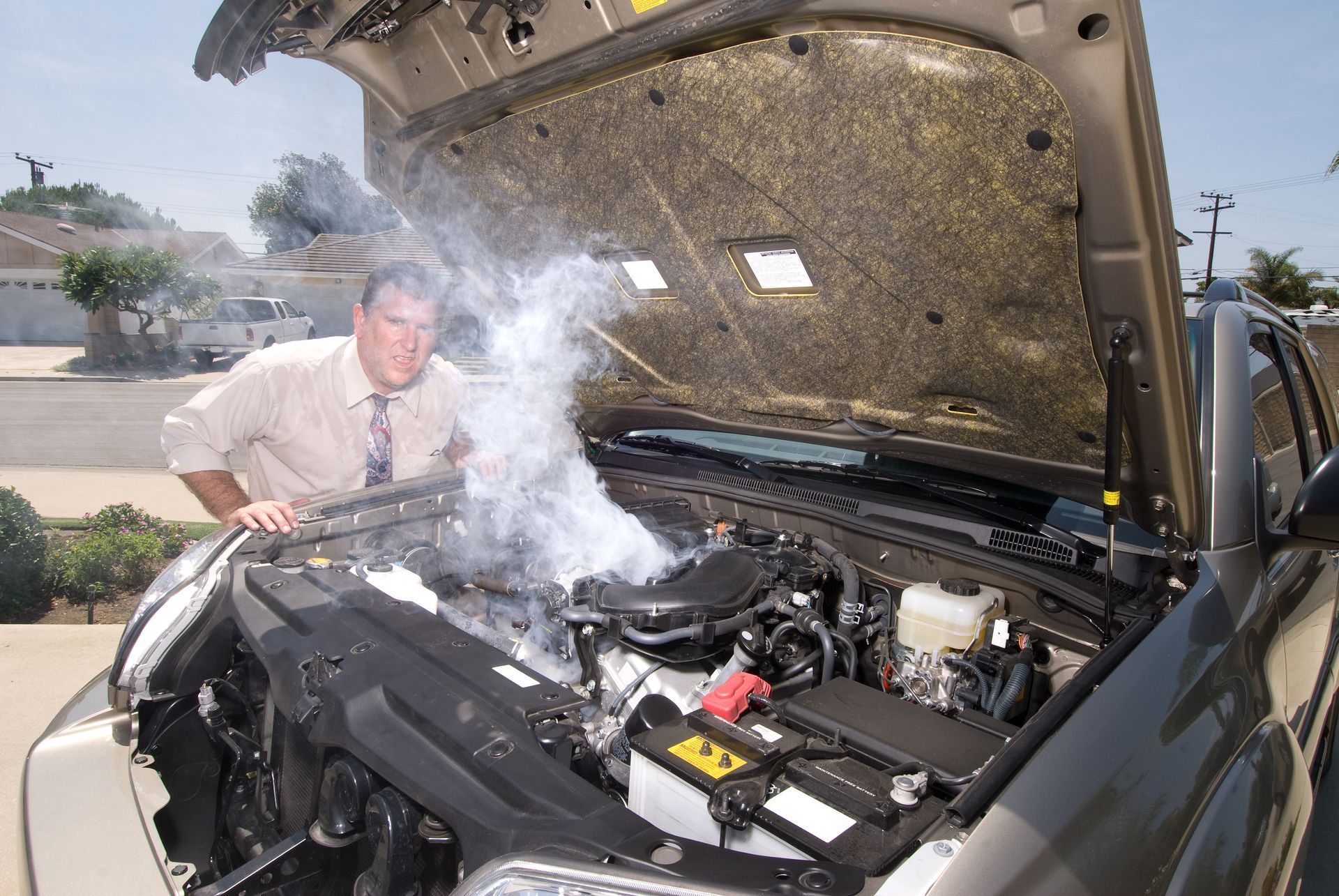
If you’re searching “why does my car keep burning oil,” “why is my engine burning oil,” “car burning oil but no leak,” or “why does my car lose oil so fast,” you’re not alone. Many drivers notice their engine oil level dropping between oil changes and wonder if something is seriously wrong. An engine that burns oil can be caused by worn piston rings, valve seal problems, a failing PCV system, turbocharger issues, or normal wear in higher mileage vehicles. Understanding why your car is burning oil can help prevent engine damage and expensive repairs down the road.
Let’s break down the most common causes and what you should do next.
1. Worn Piston Rings
Piston rings seal the combustion chamber inside your engine. When they wear out, oil can slip past the rings and enter the combustion chamber where it burns along with fuel.
Signs of worn piston rings include:
- Blue smoke from the exhaust
- Oil level dropping quickly
- Reduced engine power
- Increased exhaust emissions
This type of oil burning is more common in high mileage vehicles.
2. Worn Valve Seals or Valve Guides
Valve seals prevent oil from leaking into the engine cylinders. Over time, these seals can harden, crack, or wear down.
When this happens, oil can seep into the combustion chamber and burn during engine operation.
Common symptoms include:
- Blue smoke when starting the vehicle
- Oil consumption between oil changes
- Smoke after idling for a while
Valve seal wear is another common cause of oil burning in older engines.
3. A Faulty PCV Valve
The Positive Crankcase Ventilation (PCV) valve helps regulate pressure inside your engine and recirculates gases back into the intake system.
If the PCV valve becomes clogged or fails, it can allow oil to be pulled into the intake and burned by the engine.
Symptoms may include:
- Increased oil consumption
- Rough engine performance
- Oil residue inside intake components
The good news is that a PCV valve is usually inexpensive to replace.
4. Turbocharger Issues
If your vehicle has a turbocharger, worn seals inside the turbo can allow oil to leak into the intake or exhaust system.
Signs of turbo-related oil burning include:
- Blue smoke during acceleration
- Loss of engine power
- Whining sounds from the turbo
Turbocharger oil seal failures can cause noticeable oil loss over time.
5. High Mileage Engine Wear
Some oil consumption is considered normal in older engines.
As vehicles age, internal components naturally wear down, which can lead to small amounts of oil entering the combustion chamber.
Manufacturers often consider a small amount of oil consumption acceptable, especially in engines with higher mileage.
However, excessive oil loss should always be inspected.
Is It Bad If My Car Is Burning Oil?
Yes, it can be.
If your engine burns too much oil, it can lead to:
- Engine overheating
- Internal engine damage
- Fouled spark plugs
- Reduced fuel efficiency
Running an engine with low oil can cause severe damage, including engine failure. That’s why it’s important to monitor your oil level regularly if you suspect oil consumption.
What Should You Do If Your Car Is Burning Oil?
If you notice your oil level dropping quickly:
- Check your oil level regularly.
- Look for smoke from the exhaust.
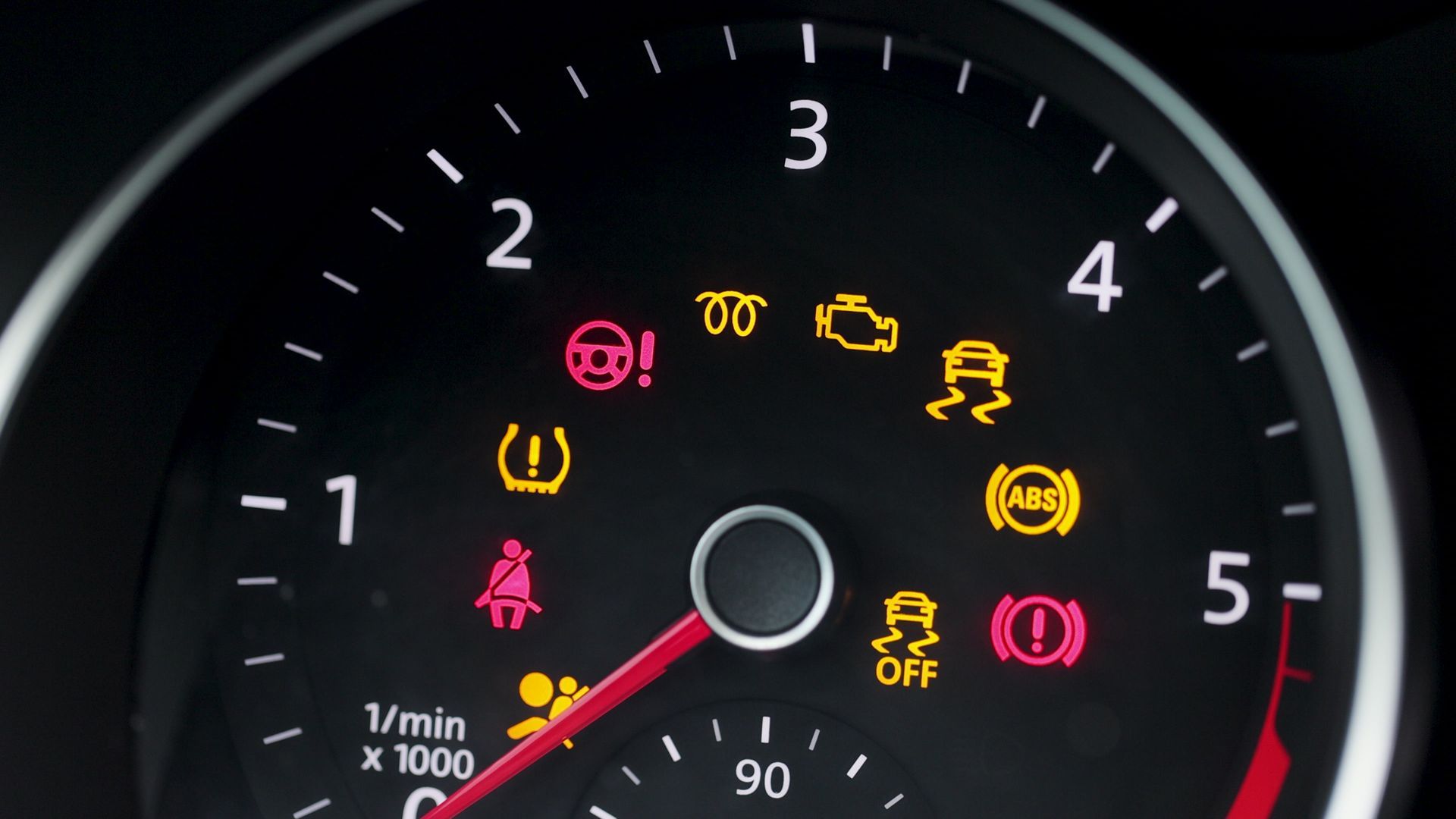
- Pay attention to warning lights or engine performance changes.
- Schedule an inspection if oil consumption increases.
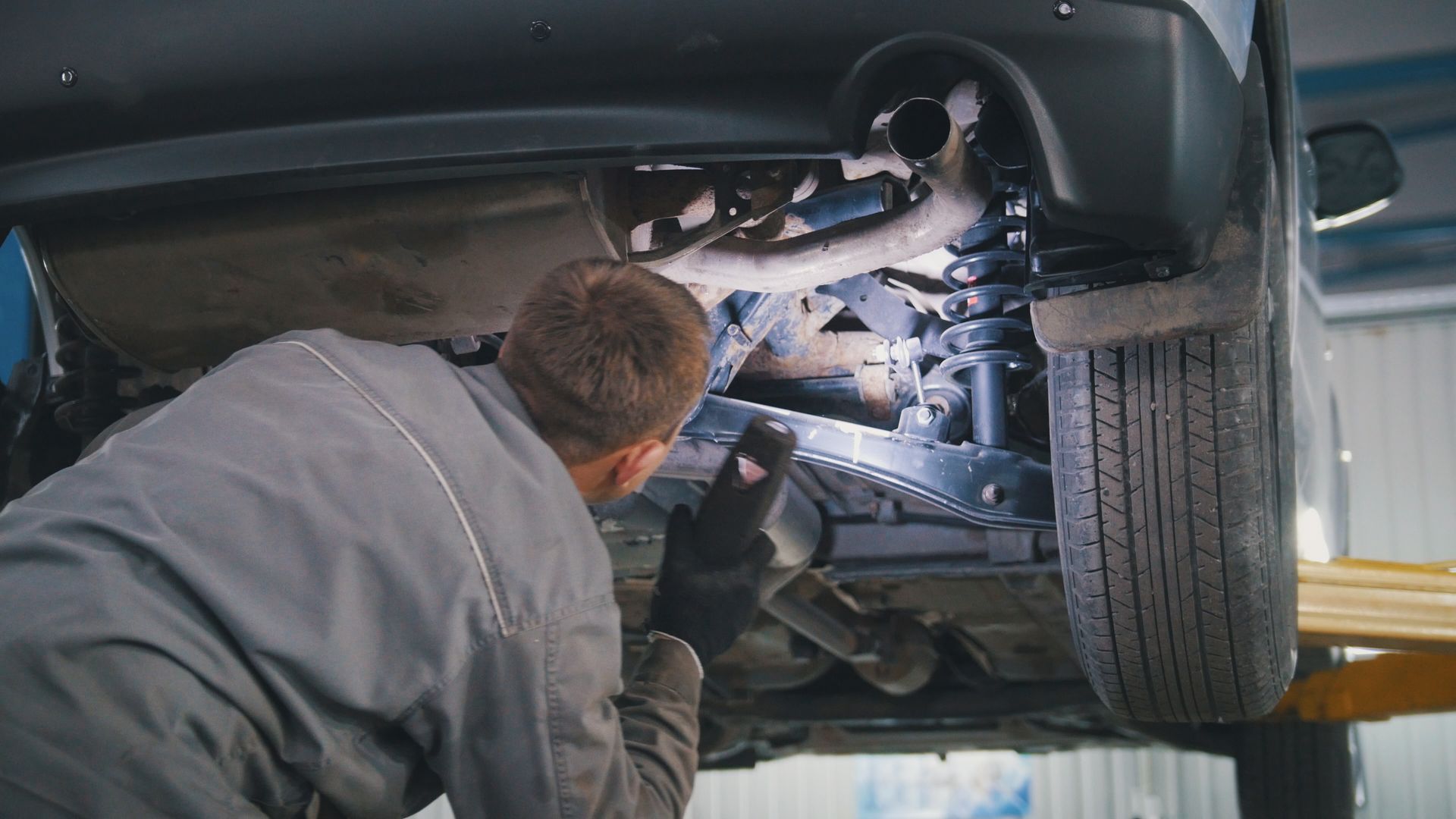
A professional inspection can determine whether the issue is minor maintenance or a deeper engine problem.
How to Prevent Excessive Oil Consumption
Routine maintenance can help reduce oil-burning issues.
Helpful steps include:
- Keeping up with regular oil changes
- Using the manufacturer-recommended oil type
- Replacing PCV valves when needed
- Addressing engine issues early
Catching problems early often prevents more expensive repairs later.
Final Thoughts
If your car keeps burning oil, it’s usually a sign that something inside the engine needs attention.
Sometimes it’s a simple maintenance item like a PCV valve. Other times it may be normal wear from a high mileage engine. Either way, it’s important to diagnose the cause before it leads to bigger engine problems.
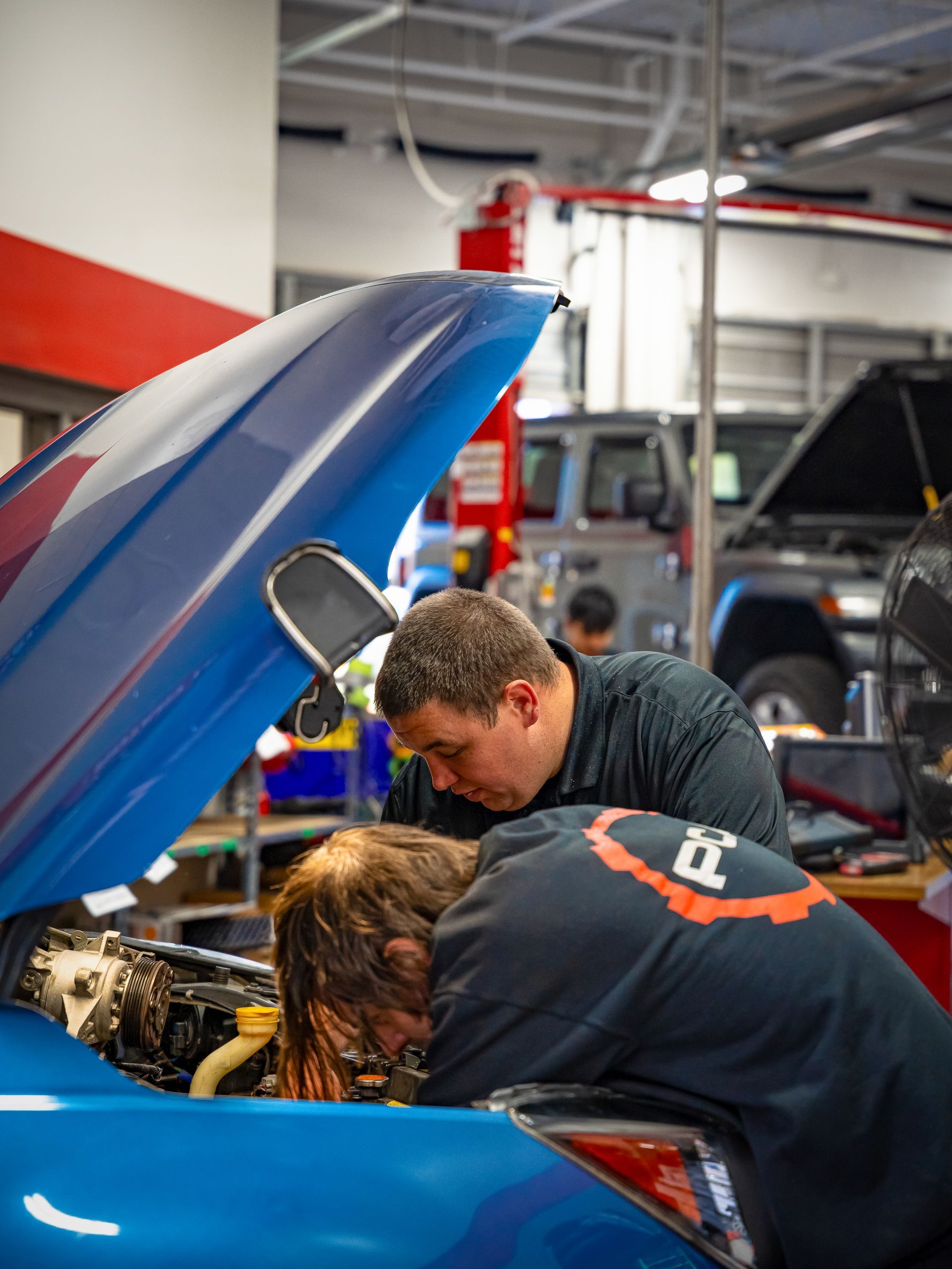
At Paul Campanella’s Auto Centers, our technicians can inspect your engine, check for oil consumption issues, and help determine the best solution for your vehicle.
If you’ve noticed your oil level dropping faster than normal, schedule an inspection at one of our locations in Wilmington, Pike Creek, Hockessin, Talleyville, Kennett Square, or Swarthmore.
Understanding the problem today can help protect your engine tomorrow.