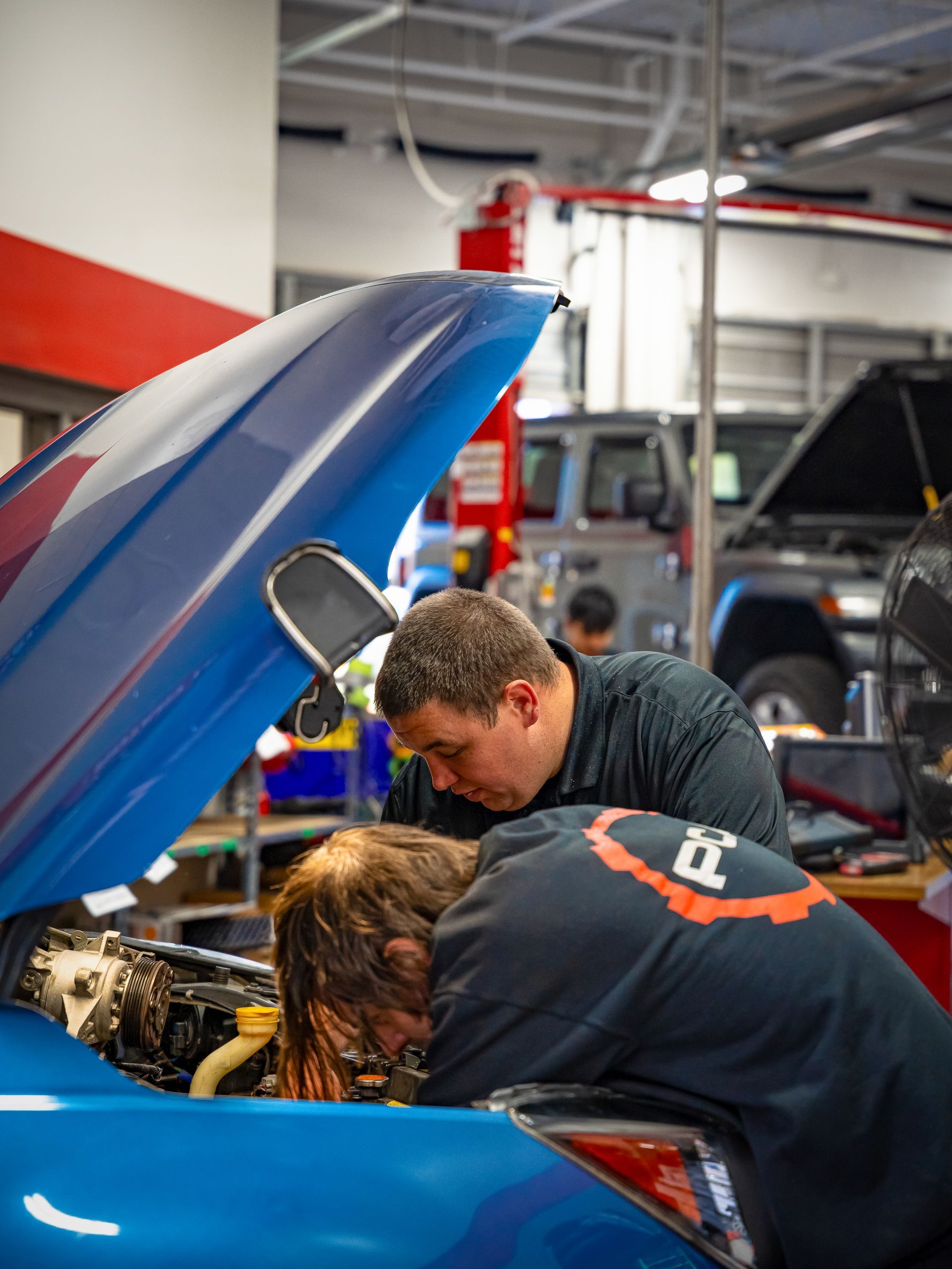
DIY car work can absolutely save money, and some jobs really are straightforward. The problems start when a simple task turns into a leak, a stripped thread, or an electrical fault that wasn’t there before.
Most of the costly mistakes come from rushing the basics.
1. Using The Wrong Part Because It Looks Similar
Many parts fit physically but aren’t truly compatible, especially sensors, thermostats, coils, and even brake components. The wrong part can trigger warning lights, create drivability issues, or wear unevenly because the material or spec is off. This is also how people end up replacing the same part twice, then blaming the vehicle.
If you’re not matching part numbers and engine codes, you’re guessing. A quick check before you buy usually saves hours later.
2. Over-Tightening Bolts And Stripping Threads
Over-tightening is a classic DIY problem because it feels safer than leaving something loose. On modern vehicles, plenty of fasteners thread into aluminum, and once those threads are damaged, the repair gets bigger fast. Oil drain plugs, valve cover bolts, spark plugs, and even battery terminals get ruined this way.
Torque specs exist for a reason. Tight is not the same as correct, and the difference matters.
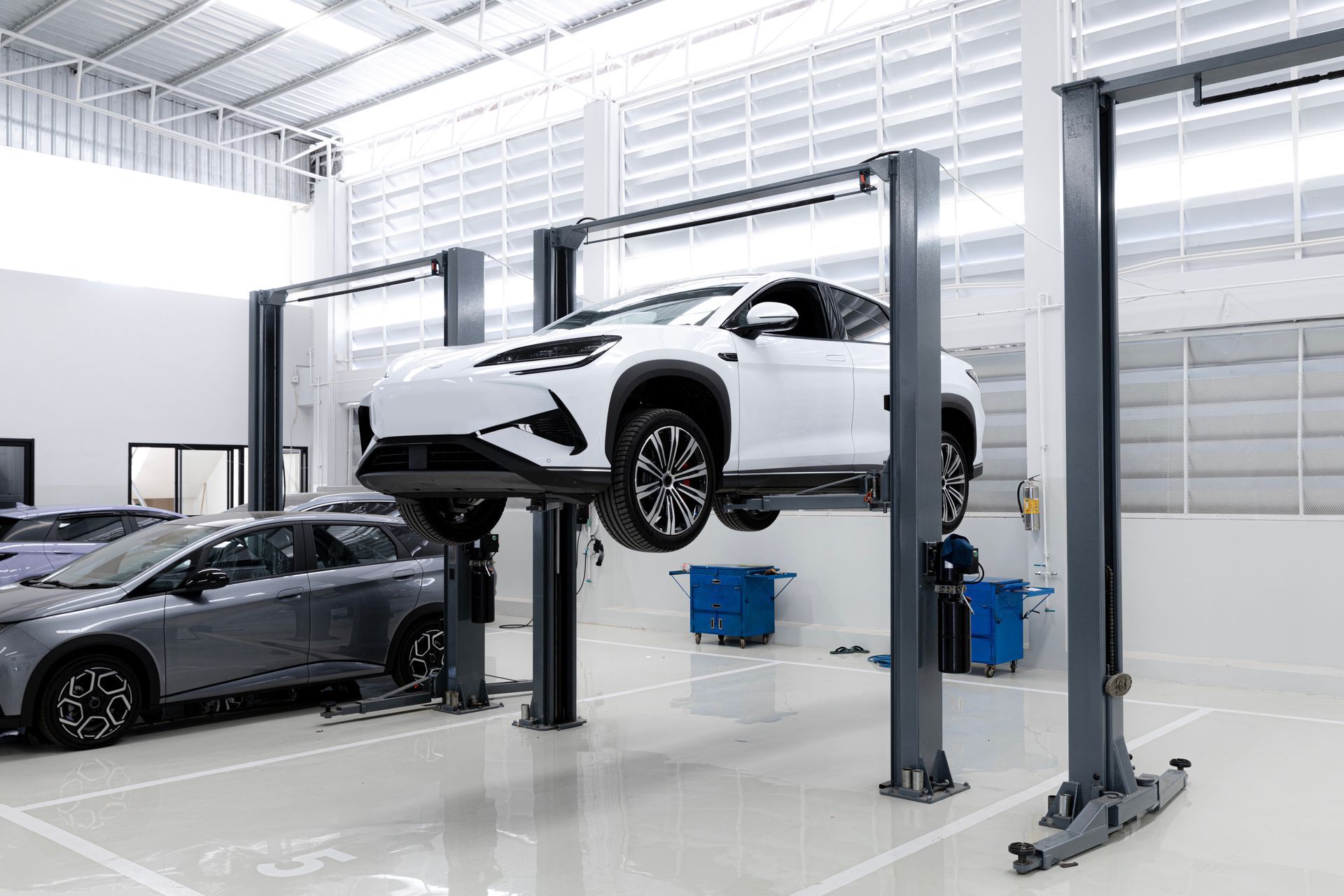
3. Jacking The Car Up Unsafely Or Supporting It Wrong
If the vehicle shifts on a jack, everything becomes dangerous in a hurry. Just as important, lifting from the wrong point can crush pinch welds, damage underbody panels, and bend components that affect alignment. We also see cars supported in a way that loads suspension parts weirdly, which makes later work harder and can stress bushings.
Use proper jack stands, flat ground, and correct lift points every time. If you’re not fully confident in your setup, don’t crawl under the car.
4. Mixing Fluids Or Choosing The Wrong Fluid Spec
Fluids are not universal anymore, and many systems are picky. Putting the wrong coolant in can create sludge, wrong power steering fluid can cause noise and seal issues, and incorrect transmission fluid can change shift quality and temperature control. Even engine oil has spec requirements beyond viscosity on a lot of vehicles.
A cheap fluid shortcut can turn into a long-term drivability headache. Checking the owner’s manual or service info is the easiest safeguard.
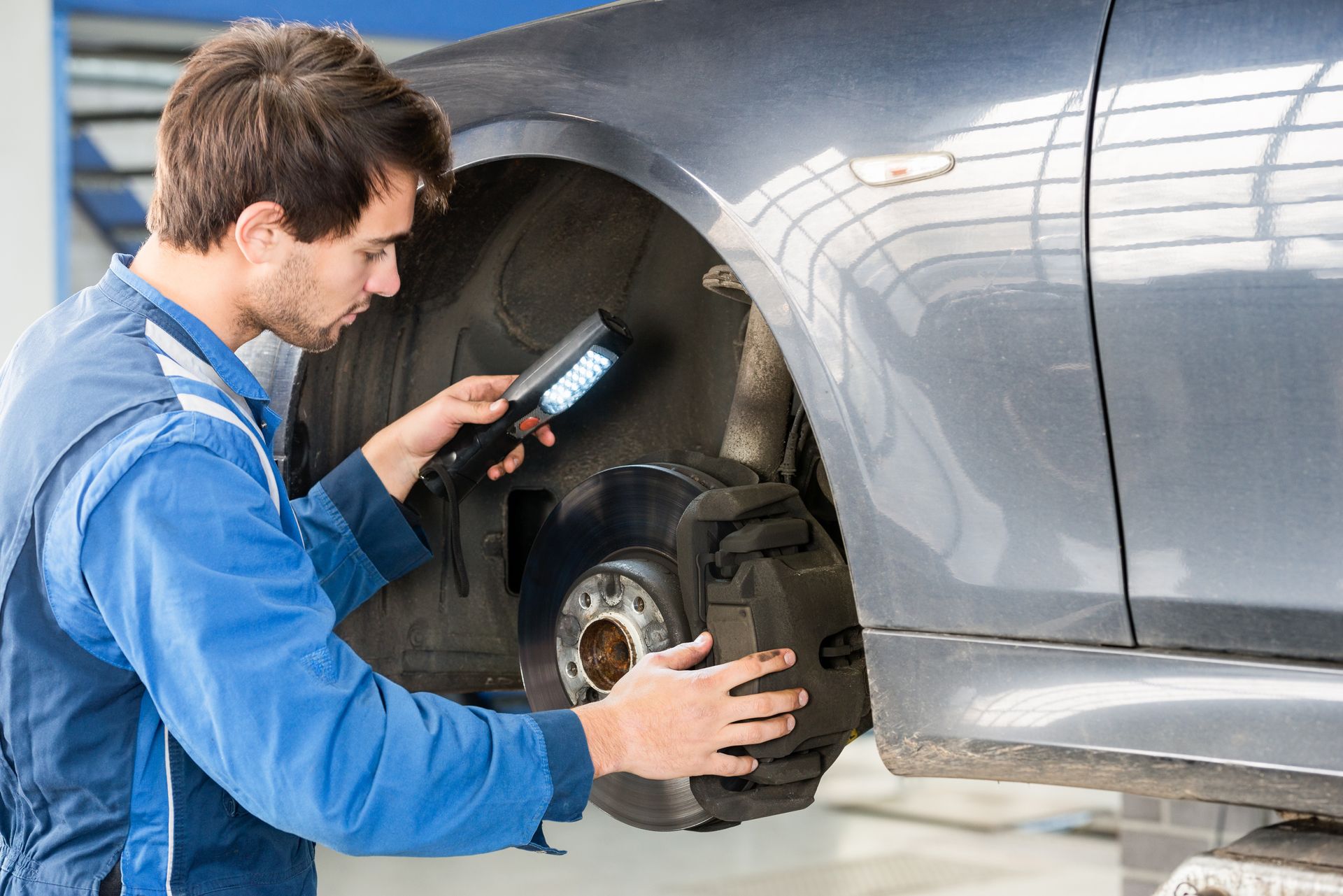
5. Bleeding Brakes Incorrectly And Leaving Air In The System
Brake work is a place where small mistakes feel big immediately. If air remains in the lines, the pedal goes soft and stopping distances increase. Some vehicles also require specific bleeding sequences, scan-tool functions for ABS modules, or careful handling of caliper pistons to avoid damaging seals.
If the pedal doesn’t feel firm and consistent after the job, the job is not finished. Brakes should feel predictable every single stop.
6. Forcing Electrical Fixes And Creating New Problems
Electrical issues tempt people into random testing and swapping because symptoms are frustrating. What often happens is a blown fuse replaced with the wrong rating, a connector forced until it breaks, or a wire repair done with a twist-and-tape approach that later corrodes. Low-voltage issues can also snowball into weird warning lights and intermittent no-starts.
Slow down and test, even if it’s a basic test. If you’re not sure, stepping back is cheaper than chasing damage you created.
7. Ignoring The Root Cause And Only Treating The Symptom
A new battery won’t fix a parasitic draw. New spark plugs won’t fix an intake leak. A new thermostat won’t fix a cooling system that’s low because it’s leaking. This is the trap where people spend money, the symptom returns, and the vehicle gets labeled unreliable.
This is where regular maintenance helps most, because it keeps small issues from piling up and disguising each other. When a new symptom shows up, it’s easier to isolate what changed.
8. Skipping The Final Check After The Repair
A lot of DIY jobs fail in the last five minutes. Tools left under the hood, clamps not fully seated, a wheel not torqued evenly, or a splash shield dragging on the tire can turn a good repair into a comeback. Fluids need rechecking after a short drive, and anything you touched should get a quick visual check once the engine has warmed up.
Build a simple post-repair habit: look for leaks, listen for new noises, and confirm everything feels normal. That quick walk-around is your safety net.
Get DIY Repair Help In Delaware & Pennsylvania With Paul Campanella's Auto Centers
If a DIY job went sideways or you want a second set of eyes before it becomes a bigger repair, an inspection can confirm what’s actually going on and what needs to be corrected first. Schedule service or stop by Paul Campanella's Auto Centers in Delaware & Pennsylvania when you want clear answers and solid workmanship.
You’ll get back on the road without the lingering doubts.