Why Does My Car Battery Keep Dying? Common Causes and What to Do.
If you’re searching “why does my car battery keep dying,” “car battery keeps dying overnight,” “why does my car battery die so fast,” or “why is my battery dead again,” you’re not alone. A car battery that repeatedly dies is one of the most common and frustrating vehicle problems drivers experience, especially during colder months in Delaware and Pennsylvania. While many people assume they just need a new battery, the real issue is often deeper, involving the alternator, charging system, parasitic drain, corroded connections, or electrical faults.
Let’s break down the most common reasons your car battery keeps dying and what you should do next.
1. The Battery Is Old or Failing
Most car batteries last between three and five years. If your battery is older than that, it may simply be at the end of its lifespan.
Signs of a failing battery include:
- Slow engine cranking
- Clicking when turning the key
- Dashboard lights flickering
- Needing frequent jump starts
Cold weather can accelerate battery failure because low temperatures reduce battery power while increasing the energy required to start your engine. If your battery hasn’t been replaced in several years, it may be time.
2. The Alternator Isn’t Charging Properly
Your alternator charges the battery while your engine is running. If the alternator is weak or failing, your battery may drain while driving, even if it’s brand new.
Common signs of alternator problems:
- Battery dies shortly after being replaced
- Dim headlights
- Electrical systems acting inconsistently
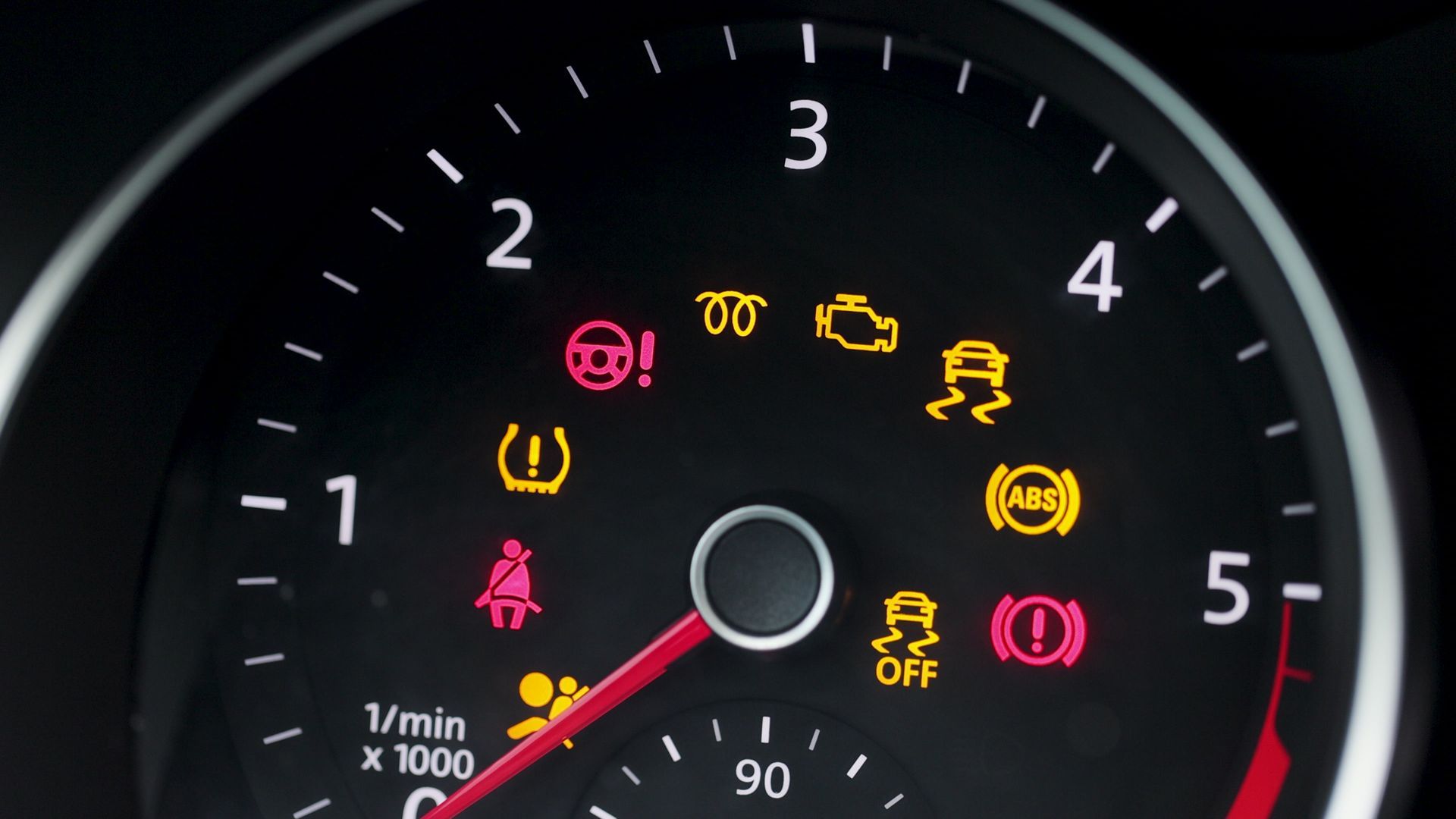
- Battery warning light on the dashboard
If your car starts after a jump but dies again later, the alternator could be the real issue.
3. Parasitic Drain (Something Is Drawing Power)
A parasitic drain happens when something in your vehicle continues to draw power after the car is turned off.
Common causes include:
- Interior lights staying on
- Faulty door switches
- Glove box or trunk lights remaining illuminated
- Aftermarket electronics
- Malfunctioning control modules
Even a small drain can completely kill a battery overnight. Electrical drain issues require proper diagnostic testing to pinpoint the source.
4. Corroded or Loose Battery Connections
If battery terminals are corroded or loose, your battery may not charge properly or may struggle to deliver power.
Look for:
- White or green buildup around terminals
- Loose cables
- Intermittent starting issues
Corrosion blocks electrical flow and can cause repeated dead battery situations.
5. Short Driving Trips
If you primarily take short trips, your battery may not have enough time to fully recharge between starts. Starting the engine requires significant power. If you shut the vehicle off before the alternator replenishes that charge, the battery slowly drains over time.
This is common with:
- Frequent short commutes
- Stop-and-go driving
- Vehicles that sit for long periods
6. Extreme Temperatures
Both cold and extreme heat can shorten battery life.
Cold weather reduces battery output. High heat accelerates internal battery wear. In Delaware and Pennsylvania, seasonal temperature swings can stress aging batteries.
Why Does My New Car Battery Keep Dying?
If you recently replaced your battery and it’s still dying, the issue is likely not the battery itself.
The most common causes in this situation are:
- A failing alternator
- Parasitic electrical drain
- Faulty wiring or grounding
- A bad starter drawing excessive power
Replacing the battery without diagnosing the root cause can lead to repeated frustration.
Is It Safe to Keep Jump Starting My Car?
Occasional jump starts are fine, but repeatedly jump starting your vehicle is not a long-term solution.
It can:
- Damage sensitive electronics
- Strain the alternator
- Leave you stranded unexpectedly
If your battery keeps dying, the vehicle needs a full charging and electrical system inspection.
What Should You Do Next?
If your car battery keeps dying:
- Note how often it happens.
- Pay attention to warning lights.
- Avoid replacing the battery multiple times without testing the charging system.
Professional testing can determine whether the issue is the battery, alternator, starter, or an electrical drain.
How to Prevent Future Battery Problems
To reduce the chances of repeat battery issues:
- Have your battery tested annually
- Replace batteries older than four years
- Keep terminals clean
- Drive long enough to recharge the battery
- Schedule electrical system inspections if problems occur
Preventative testing is far less expensive than emergency breakdowns.
Final Thoughts
If your car battery keeps dying, it’s a symptom not the root problem.
Sometimes it’s simple wear and tear. Other times, it’s a charging or electrical system issue that needs proper diagnosis.
At Paul Campanella’s Auto Centers, we perform complete battery, alternator, and electrical system testing to find the real cause, not just replace parts unnecessarily.
If you’re dealing with a dead battery that keeps coming back, schedule an inspection at one of our locations in Wilmington, Pike Creek, Hockessin, Talleyville, Kennett Square, or Swarthmore.