A CV axle usually fails in a very annoying way. The car still starts and drives, but something feels off in a way you cannot ignore. It might be a sound that only happens in turns, or a vibration that shows up right when you try to accelerate normally.
If you catch a failing axle early, you can often avoid getting stranded and prevent extra wear on nearby parts. Here are four clear signs to watch for, plus a simple way to judge how urgent the situation is.
What A CV Axle Does And Why Problems Show Up At The Worst Time
Most front-wheel-drive and all-wheel-drive vehicles use CV axles to deliver power from the transmission to the wheels while still allowing the suspension to move and the wheels to turn. The CV joints, short for constant velocity joints, are designed to flex and rotate without binding.
The weak point is usually the protective boot. The boot holds grease in and keeps dirt and water out. Once it tears, grease escapes and grit gets inside. That contamination speeds up wear, and a joint that was quiet last month can start making noise quickly.
1. Clicking Or Popping When Turning Under Light Throttle
The classic CV axle warning sign is a clicking or popping sound while turning, especially at low speed. Drivers often notice it during parking lot turns, U-turns, or tight corners.
The sound often comes from the outer CV joint. As the joint wears, it develops extra play. Under load, that play turns into a repeatable click as the joint rotates through the turn. If the sound is louder when you add a little throttle, that is another strong clue because the joint is being stressed more.
This is one of those symptoms that tends to progress. It might start as a faint click that you only hear with the window down, then become obvious with the windows up.
2. Shuddering Or Vibration During Acceleration
A CV axle can also cause a vibration that shows up during acceleration, not necessarily at a single speed. This often feels like a shudder or a wobble through the steering wheel, the seat, or the floor, and it may be worse when accelerating up a hill.
This symptom can be confused with tire balance, but there is a difference. Tire balance vibration usually peaks at a specific speed range. Axle-related vibration is more tied to load. It may ease off when you let off the throttle, then return when you accelerate again.
We see this most when an inner CV joint is wearing or when the axle has developed play that shows up under torque.
3. Grease Sling Or A Torn CV Boot Near The Wheel
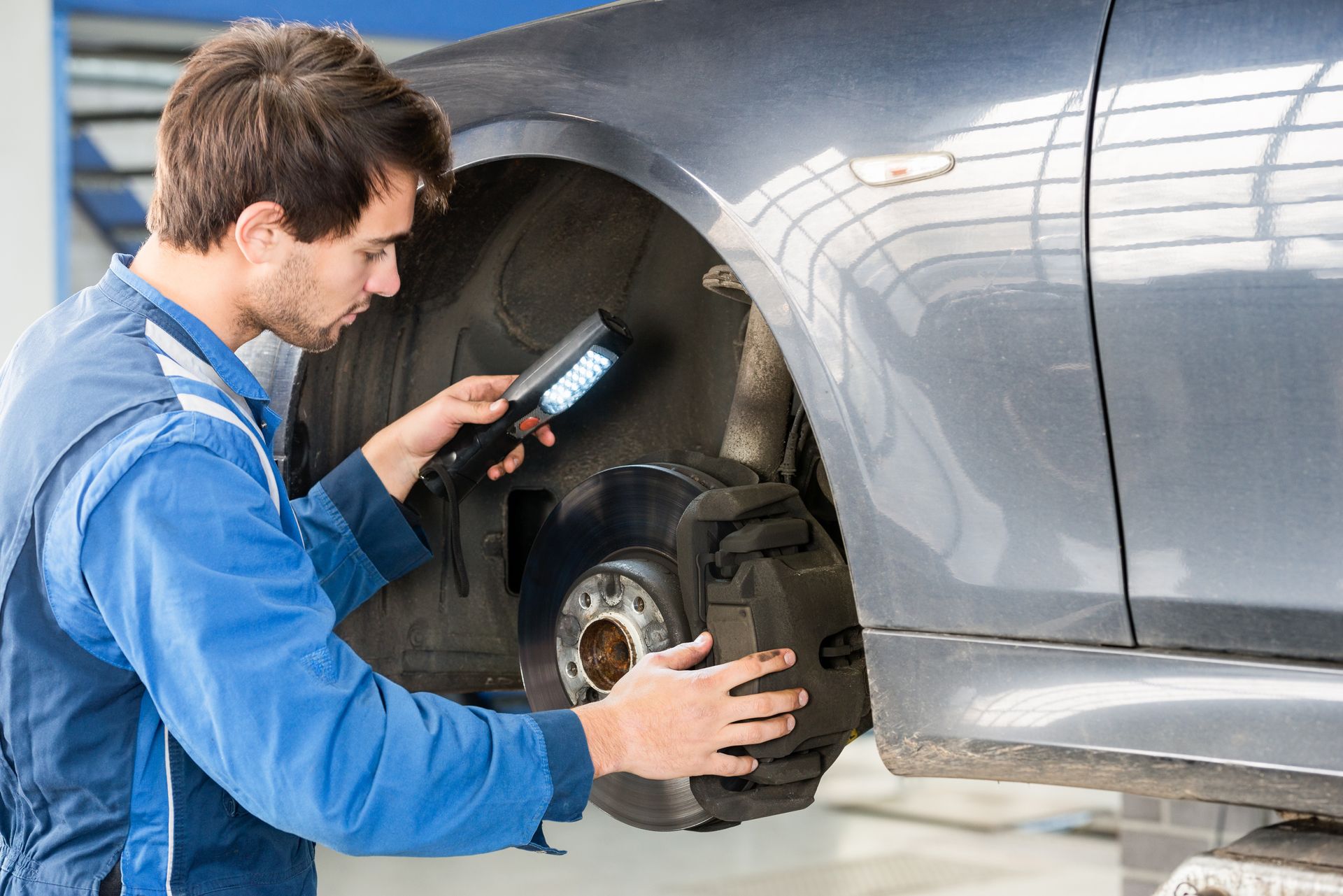
Sometimes the best clue is not a sound or a feel. It is a mess. If you look near the inside of a front wheel and see thick, dark grease splattered around, that often points to a torn CV boot.
A boot tear can be caused by age, road debris, or a clamp that loosened over time. Once the boot opens up, grease gets thrown outward by rotation. Dirt and moisture then get pulled in. At that point, the joint may already be wearing, even if it has not started clicking yet.
Our technicians often catch this during a routine inspection, and it is one of the clearest early signs that an axle problem is developing.
4. Clunking On Takeoff Or During Shifts From Drive To Reverse
A more advanced symptom can feel like a clunk when you first take off from a stop, or when you shift from Drive to Reverse and back. This can happen when the joint has enough play that it shifts position under load changes.
Not every clunk is an axle, because mounts and other driveline parts can do it too. Still, if the clunk pairs with turning clicks or grease from a boot, the axle climbs high on the list.
If you feel a clunk along with a vibration under acceleration, treat it as a sign that the issue is progressing, not stabilizing.
When It Is Safe To Drive And When It Is Not
A mild CV axle issue can be driven for a short time, but it depends on what you are experiencing. Use this as a practical guide:
- If you have a torn boot with fresh grease but no noise yet, schedule service soon. Waiting usually makes the repair more expensive.
- If you have clicking in turns, keep trips short and avoid hard acceleration. Plan for repair promptly.
- If you have a strong vibration during acceleration, avoid highway driving when possible and have it inspected quickly.
- If you hear loud clunking or the car jerks when you accelerate, stop driving and arrange service. A joint can fail completely, and that can leave you stuck.
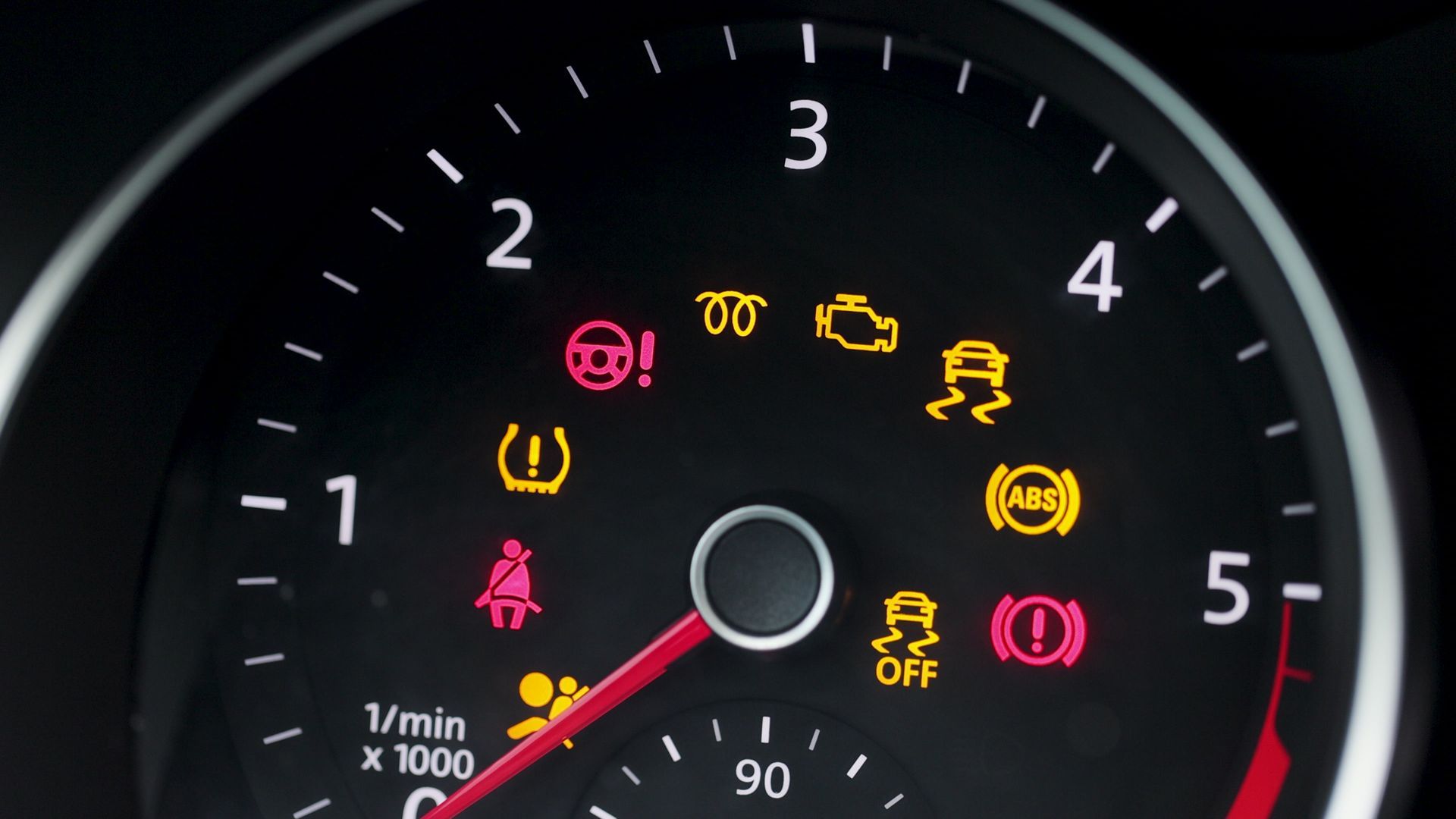
Also, pay attention to the dashboard. If you see traction control warnings or stability alerts along with driveline symptoms, it is another reason to have the vehicle checked soon.
Get CV Axle Repair in Delaware and Pennsylvania with Paul Campanella’s Auto Centers
We can inspect the CV boots and joints, confirm whether the noise or vibration is axle-related, and recommend the right repair based on what we find. We’ll also check for related wear that can mimic axle symptoms, so you are fixing the cause instead of chasing the feel.
Call
Paul Campanella’s Auto Centers in Delaware and Pennsylvania to schedule CV axle service and get your vehicle back to confident, predictable driving.