Most drivers don’t give much thought to the quality of fuel they’re putting into their car as long as it’s the right octane, it should be fine, right? Not always. Modern engines are more sensitive than ever to what’s going into the tank. With tighter tolerances, advanced sensors, and complex fuel management systems, poor-quality fuel can throw everything off. If your vehicle has been acting up and there’s no obvious mechanical problem, bad fuel could be part of the issue.
Why Modern Engines Are More Sensitive to Fuel Quality
Today’s engines rely heavily on precise fuel-air mixtures, timing, and computer-controlled adjustments. Direct injection systems spray fuel at higher pressures directly into the combustion chamber, leaving less room for error. Add to that turbocharging, exhaust gas recirculation, and other emissions systems, and it’s easy to see how contaminated or low-quality fuel can upset the balance.
The engine computer may try to adapt, but there’s only so much it can do when the fuel isn’t burning cleanly.
Symptoms of Bad Fuel
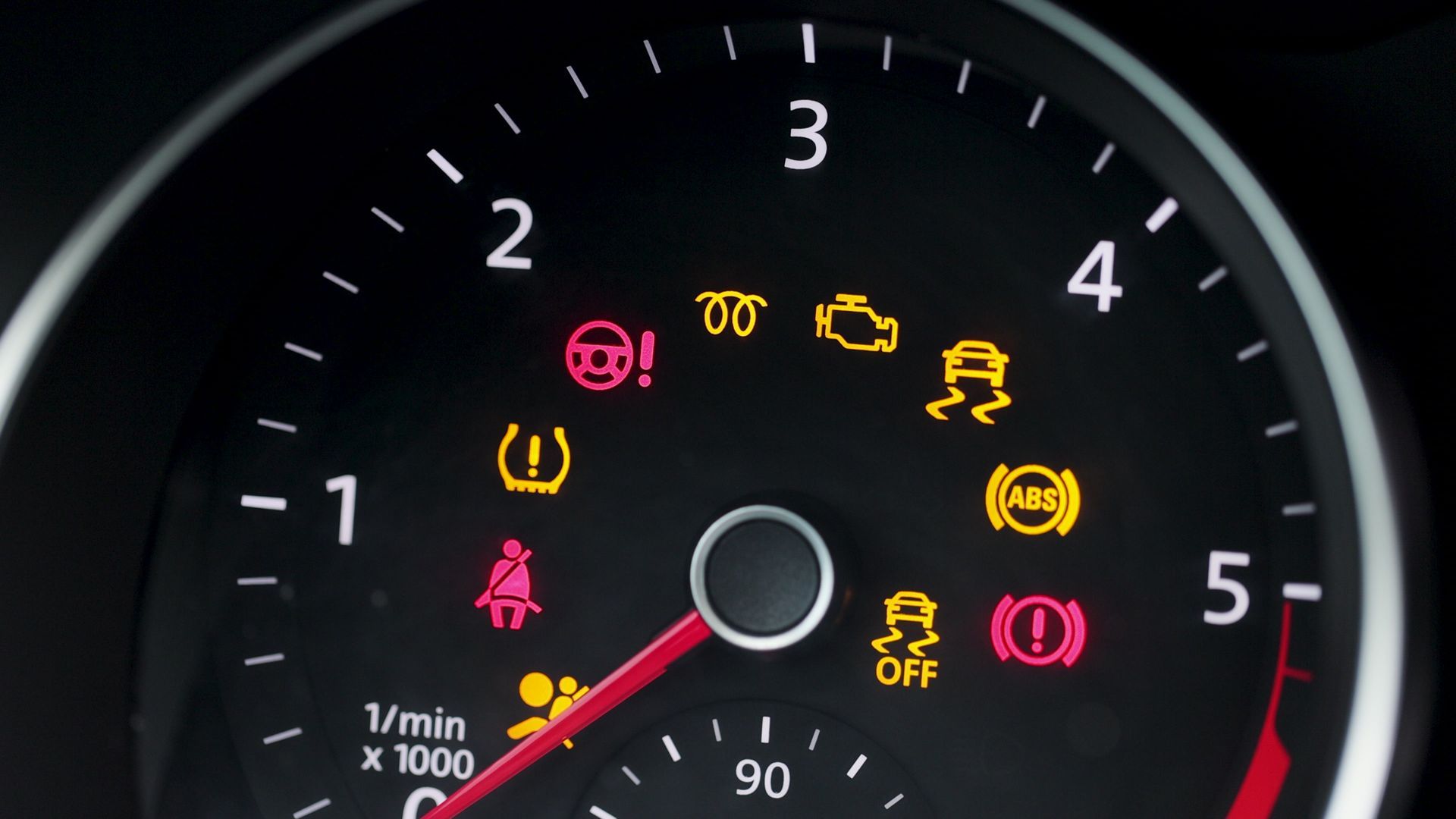
The signs of poor fuel vary, but hesitation during acceleration, rough idling, and hard starting are among the most frequent complaints. You might also notice reduced fuel economy, sluggish throttle response, or even occasional misfires. Some drivers report the check engine light coming on shortly after refueling.
In more severe cases, the engine may knock or ping under load, which is especially risky in turbocharged vehicles. If the issue started right after a fill-up, the fuel itself is worth considering.
What’s Actually in Bad Fuel?
Contaminated fuel can contain water, dirt, microbial growth, or excessive ethanol. Water usually gets in through condensation in underground tanks, and it doesn’t take much to interfere with combustion. Ethanol blends, while safe in many vehicles, can separate over time or absorb moisture. Fuel that’s been sitting too long, whether at the gas station or in your own tank, may begin to degrade.
Some low-cost fuels also lack detergents that help keep the system clean, leading to carbon buildup over time.
Why Water and Fuel Don’t Mix
Even small amounts of water in gasoline or diesel can cause big problems. Water doesn’t burn, so when it enters the combustion chamber, it interrupts the ignition process. This leads to sputtering, stumbling, or even stalling. In cold weather, water in the fuel line can freeze and block flow completely.
Diesel fuel is particularly vulnerable to water-related issues, which is why many diesel vehicles have water separators built into the fuel system.
Long-Term Effects of Using Poor-Quality Fuel
It’s not just short-term performance that suffers. Repeated use of bad fuel can lead to clogged injectors, dirty valves, and fouled spark plugs. These issues reduce efficiency, increase emissions, and, over time, can cause engine wear. In extreme cases, detonation caused by low-octane or contaminated fuel can damage pistons and rings.
If fuel system components like the pump or regulator are exposed to corrosion or debris, they may fail prematurely.
How to Protect Your Engine From Bad Fuel
Stick with trusted fuel stations that have a high turnover rate. Avoid filling up right after a tanker has made a delivery, since that can stir up sediment in the storage tanks. If your car sits for long periods, consider using a fuel stabilizer.
For vehicles with direct injection, occasional use of high-quality fuel system cleaners can help keep the injectors clear. And if your engine starts acting up after a refill, don’t wait; have it inspected before the problem grows.
Fuel System Service in DE and PA That Solves Performance Issues
If you suspect fuel is behind your vehicle’s poor performance, it’s worth getting the system checked out. A full inspection can uncover injector problems, fuel pressure issues, or contamination inside the tank.
Replacing filters and cleaning components early is far less expensive than dealing with damaged parts down the road.
Trust Paul Campanella’s Auto Centers in DE and PA for Fuel-Related Repairs
At Paul Campanella’s Auto Centers, we help drivers get to the bottom of car problems with accurate diagnostics and experienced repairs. Whether it’s a clogged injector or contaminated fuel, we’ll clean it out, restore performance, and help you avoid repeat issues.
Schedule a visit today in one of our locations and let us get your engine running right again.
- Paul Campanella's Auto Centers - Wilmington, 1015 W 28th St, Wilmington, DE
- Paul Campanella's Auto Centers - Pike Creek, 2379 Limestone Rd, Wilmington, DE
- Paul Campanella's Auto Centers - Talleyville, 3805 Concord Pike, Wilmington, DE
- Paul Campanella's Auto Centers - Kennett Square, 583 Unionville Rd, Kennett Square, PA
- Paul Campanella's Auto Centers - Swarthmore, 724 S. Chester Rd, Swarthmore, PA
- Paul Campanella's Auto Centers - Hockessin, 7300 Lancaster Pike, Hockessin, DE