Brake fade is the moment your brakes feel like they need a second chance. You press the pedal, the car slows, but not with the same bite it had a few minutes ago. It can happen after downhill driving, repeated hard stops, heavy traffic, towing, or when brake parts are already worn and running hot.
That feeling is not something to test twice.
Brake fade means heat is changing how the system performs. Sometimes the brakes cool down and feel better again, but the reason they happened still needs attention. If the brakes faded once, the system has already shown you where its limit is.
1. The Pedal Feels Softer Than Normal
A soft brake pedal is one of the first signs drivers notice during brake fade. The pedal may travel farther than usual, feel spongy, or need more pressure to get the same stopping response. That change can happen when brake fluid gets too hot or when the system is already dealing with old fluid, air, or hydraulic wear.
Brake fluid absorbs moisture over time. Moisture lowers the boiling point of the fluid, and when the brakes get hot enough, vapor can form in the lines. Vapor compresses more than fluid, which is why the pedal can feel soft or inconsistent.
If the pedal feel changes during a drive, especially after repeated braking, do not treat it like a temporary quirk. The system is telling you it is losing confidence under heat.
2. The Car Takes Longer To Stop
Brake fade often shows up as a longer stopping distance. You press the pedal at the same point you always do, but the vehicle needs more room to slow down. That extra distance may be small at first, but it is not small when traffic stops suddenly.
This can happen when overheated brake pads lose friction. Pads are designed to operate within a specific temperature range. Once they get too hot, they do not grip the rotor with the same strength. The brakes may still function, but they feel weaker and less predictable.
That is the part drivers remember. The car stopped, but not the way it normally does.
3. You Smell Hot Brakes After Driving
A sharp, hot, almost chemical smell near the wheels is a brake clue. It may happen after coming down a steep hill or sitting in heavy stop-and-go traffic. If the smell shows up after normal driving, one brake may be dragging.
A sticking caliper, dry slide pin, collapsed brake hose, or parking brake issue can keep the pads touching the rotor even when your foot is off the pedal. That creates heat all the time, not only when you are stopping.
Our technicians look for heat marks, uneven pad wear, a wheel that is hotter than the others, and differences in brake dust from side to side. The smell is only the beginning of the story.
4. The Brakes Vibrate Or Pulse After Getting Hot
A brake vibration after heat builds can point to rotor issues, pad material transfer, worn suspension parts, or calipers that are not applying evenly. Many drivers call these warped rotors, but the rotor is not always bent. Sometimes the surface has uneven deposits or thickness variation that you feel through the pedal or steering wheel.
Heat can make that vibration more noticeable. The car may feel fine on the first few stops, then shake once the brakes warm up. That pattern matters because it points toward a system that changes under temperature and load.
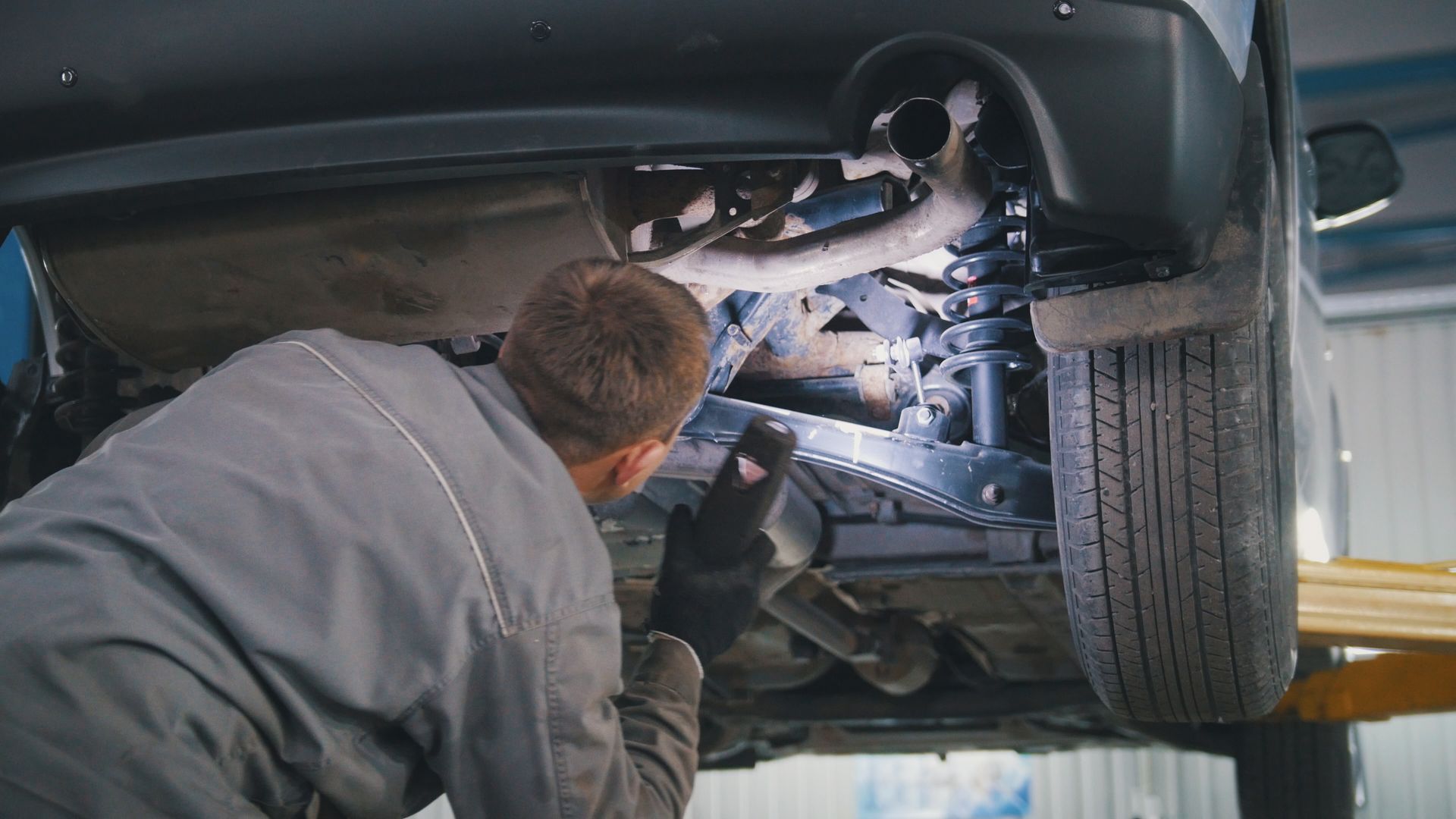
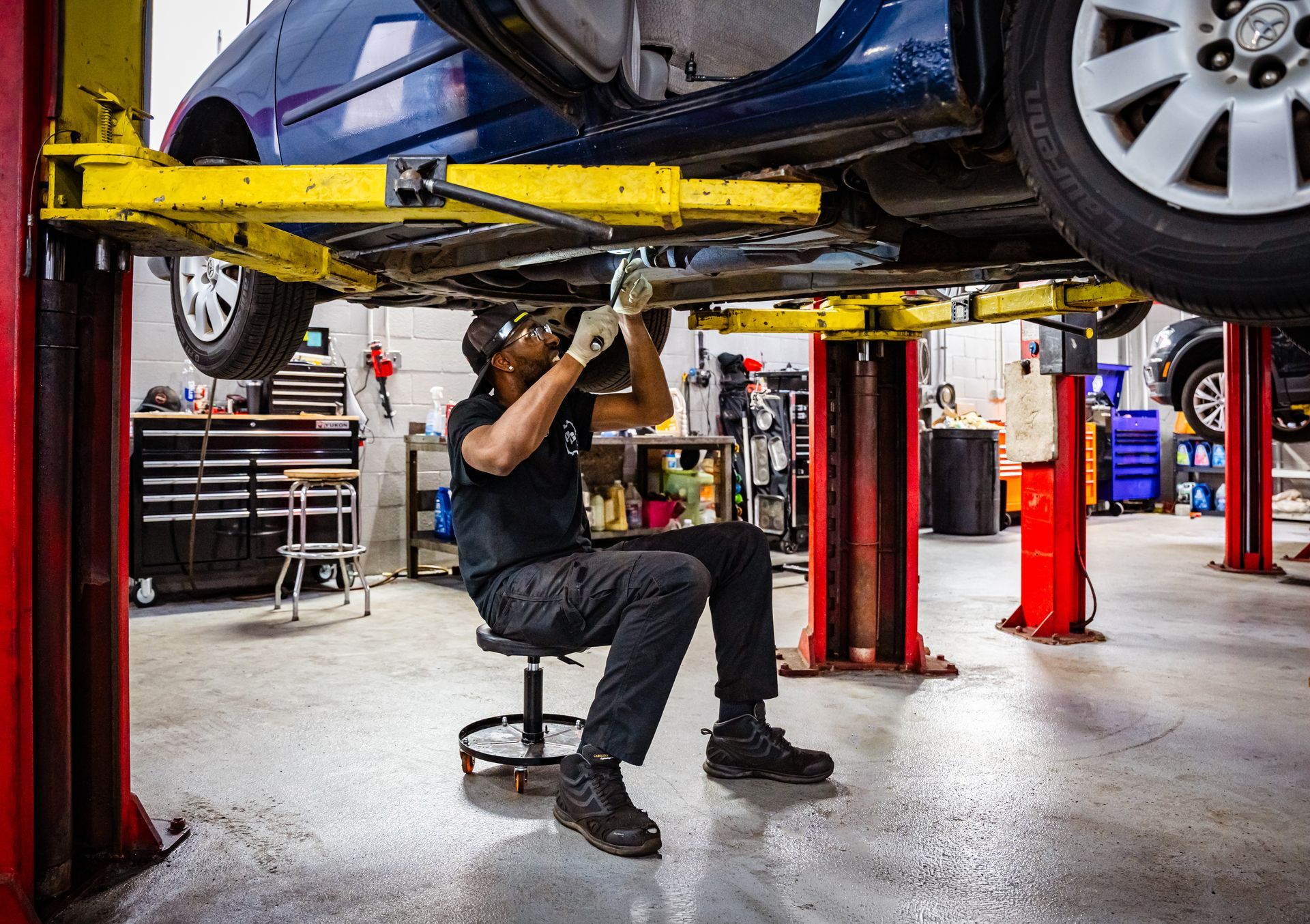
During an inspection, brake pad thickness is only one part of the check. Rotor condition, caliper movement, hardware, hoses, and fluid condition all matter.
5. Brake Performance Drops On Hills Or In Traffic
Brake fade often occurs when the system is repeatedly asked to work. Long downhill roads, towing, heavy loads, aggressive driving, and slow traffic can all build heat. If the brakes feel normal during short trips but weaker on hills or in traffic, heat is likely part of the issue.
Driving habits can add to the problem. Riding the brakes downhill keeps the heat building. A better approach is to use lower gears when appropriate and brake in controlled intervals instead of holding the pedal constantly.
Still, driving style is not always the whole cause. Worn pads, old fluid, low-quality parts, stuck calipers, or underserviced brakes can make fade happen sooner than it should.
Why Brake Fade Needs Attention
Brake fade is a warning that the system is losing performance under real driving conditions. Waiting until it happens again is risky because the next stop may be the one where you need full braking power.
Regular maintenance helps catch the parts that make fading more likely. Brake fluid condition, pad material, rotor surface, caliper movement, and hose condition should all be checked before heat exposes a weak spot. A good brake inspection gives you a clear answer about what is worn, what is overheating, and what needs repair now.
Get Brake Repair In Delaware And Pennsylvania, With Paul Campanella’s Auto Centers
If your brakes feel soft, smell hot, vibrate, or lose stopping power after repeated braking, Paul Campanella’s Auto Centers, serving drivers across Delaware and Pennsylvania, can check the brake system and find out what is causing the fade.
Schedule a visit before the brakes feel weak at the exact moment you need them most.