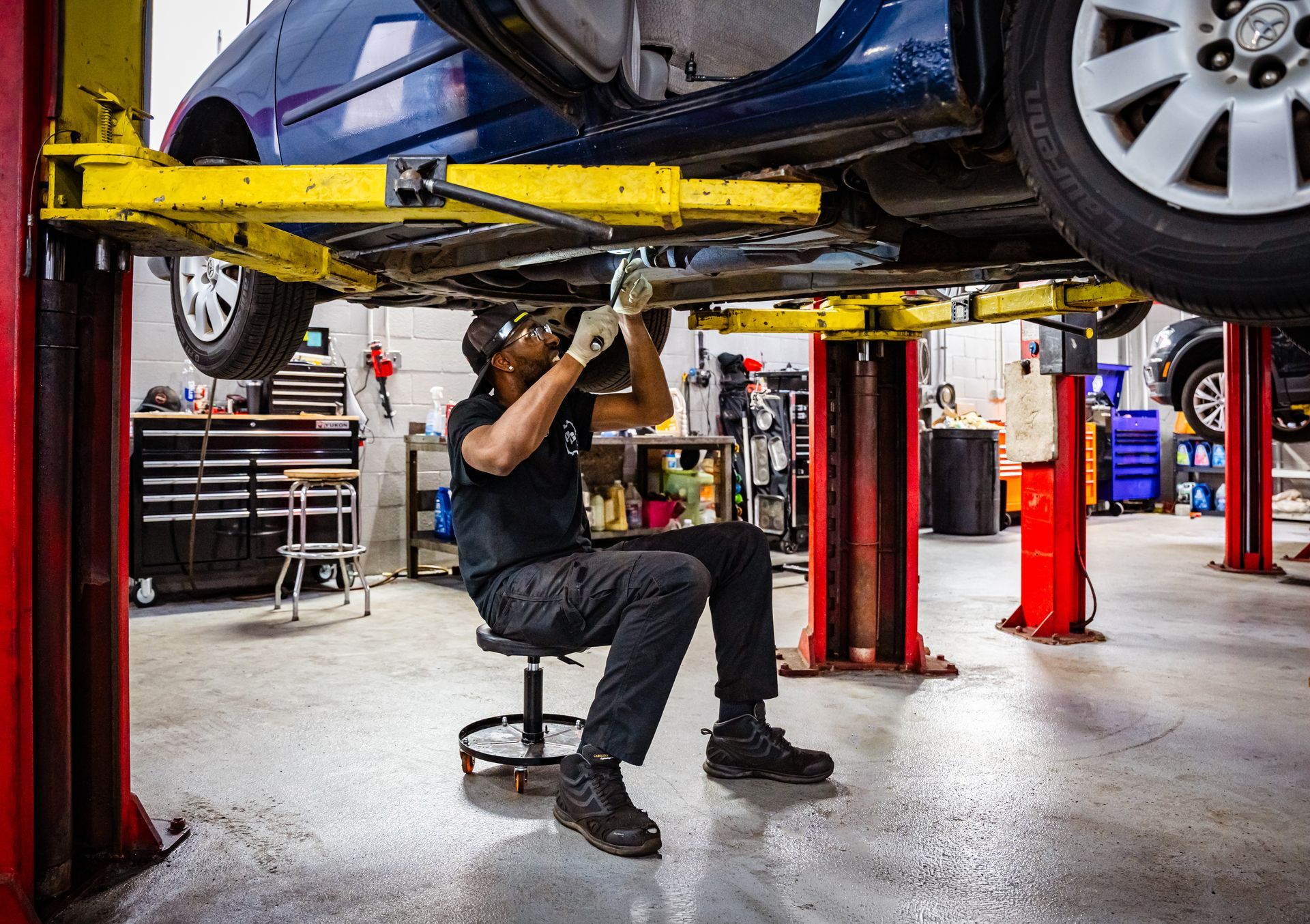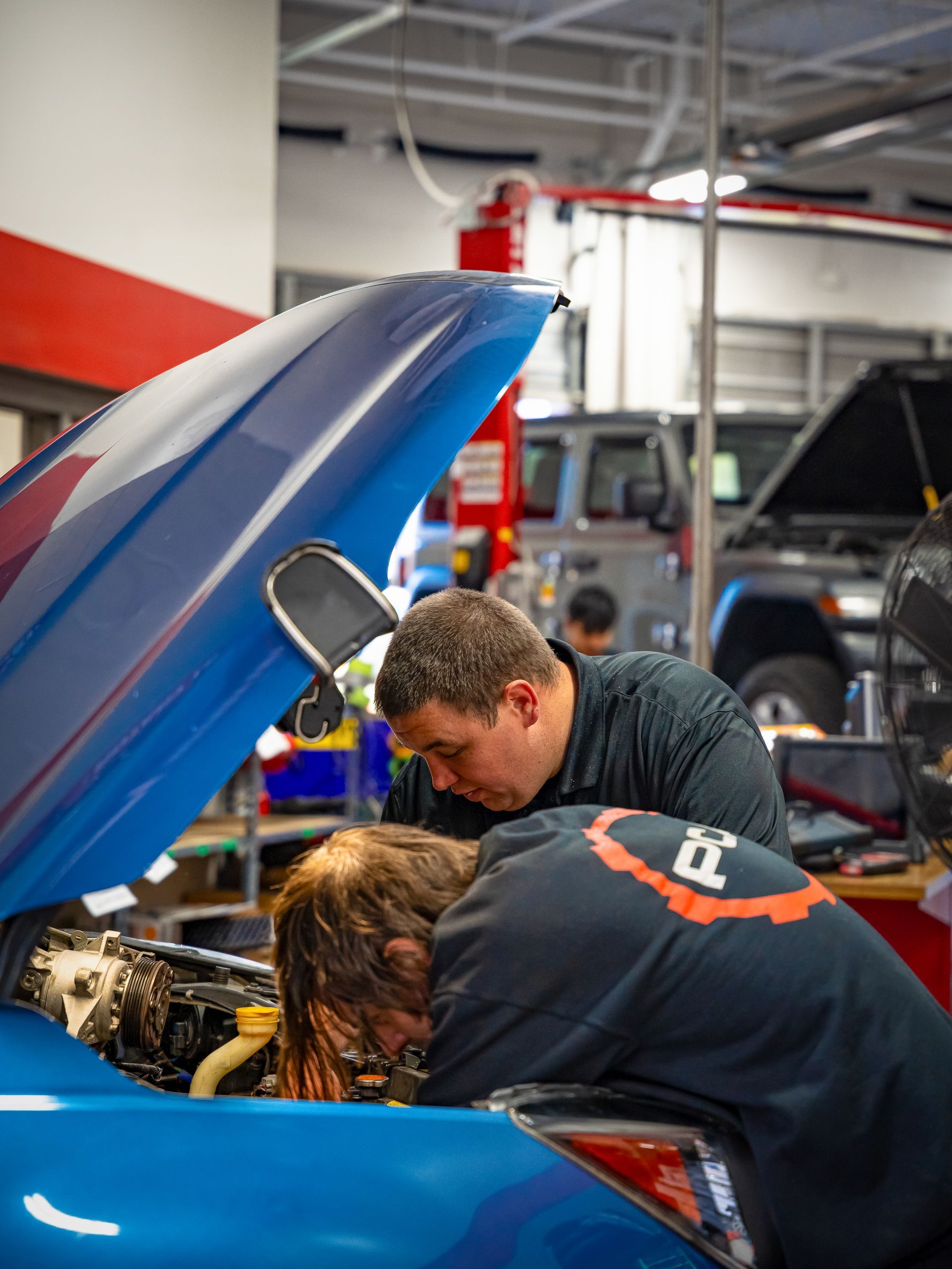
Winter driving can be a challenging and often hazardous experience, with icy roads, reduced visibility, and unpredictable weather conditions. To ensure your safety on the road during the colder months, it's crucial to pay attention to every aspect of your vehicle's maintenance, especially your brakes. In this blog post, we will discuss essential tips for maintaining your car's brakes in the winter, keeping you and your passengers safe as you navigate the icy roads.
1. Brake Inspection
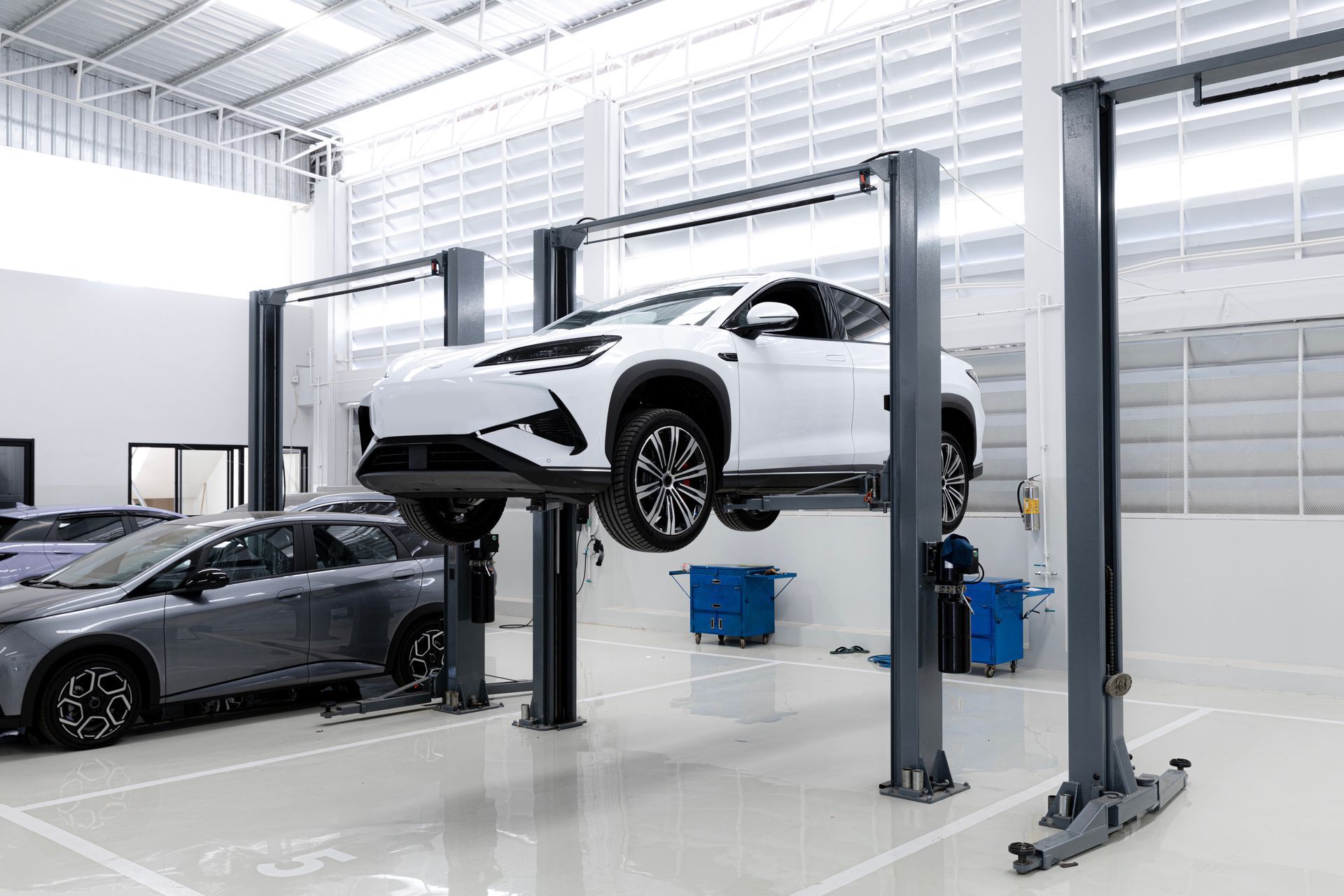
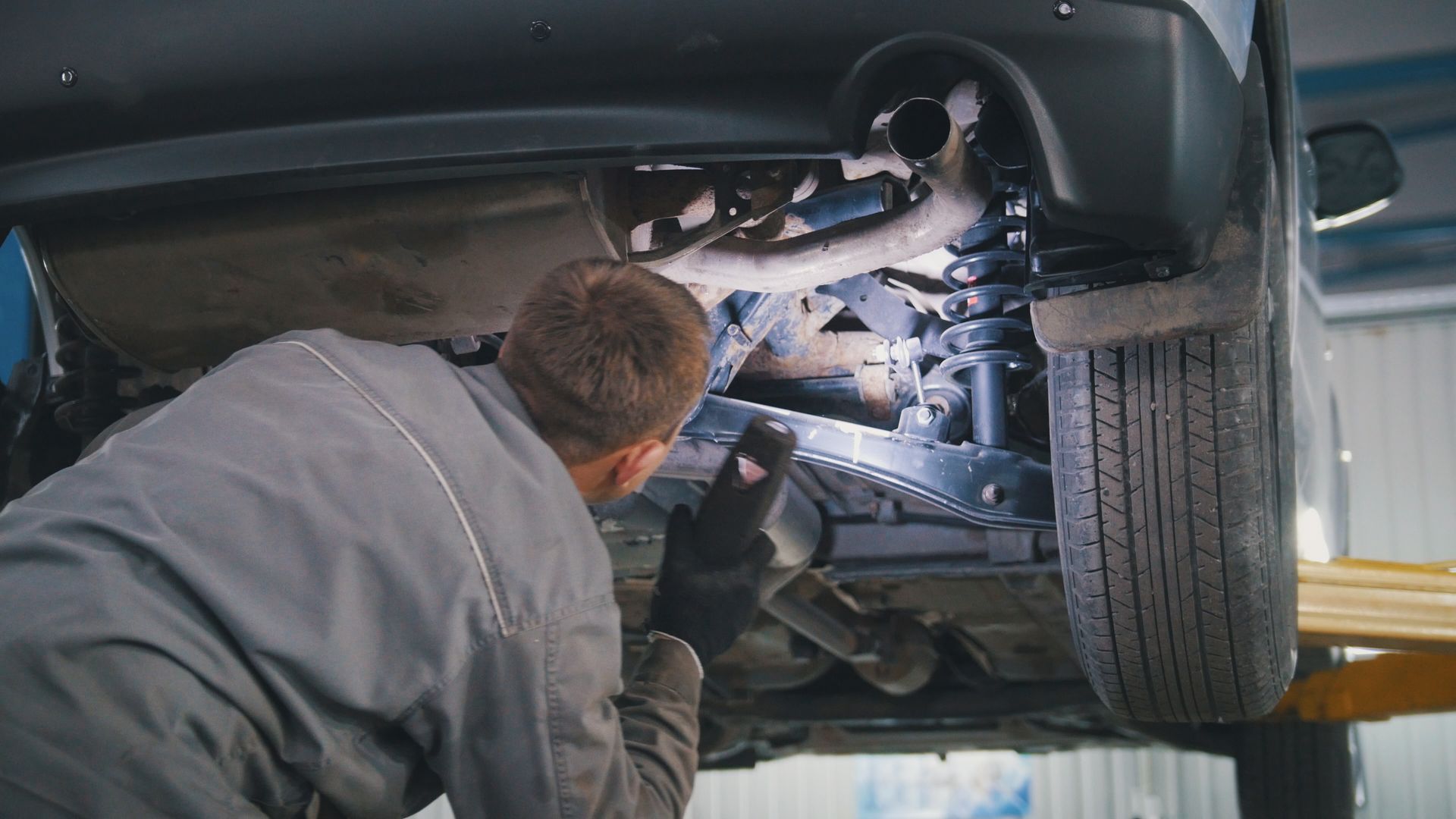
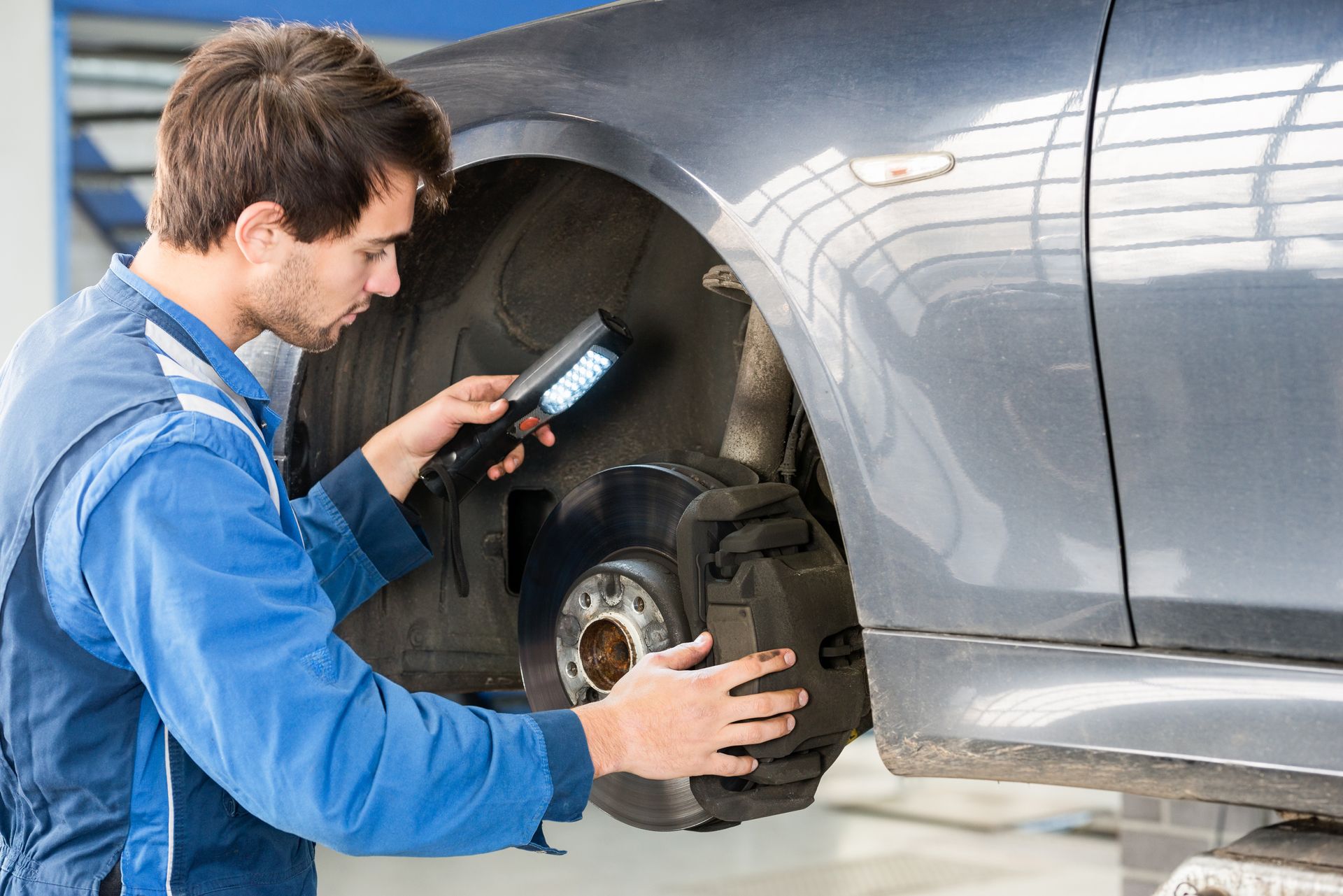
Before the winter season arrives, it's vital to have your brakes inspected by a certified mechanic. A trusted auto care provider will examine the condition of your brake pads, rotors, and other parts to make sure they are functioning properly. Healthy brakes are essential for quick stops and maintaining control of your vehicle on slippery surfaces.
2. Brake Fluid Check
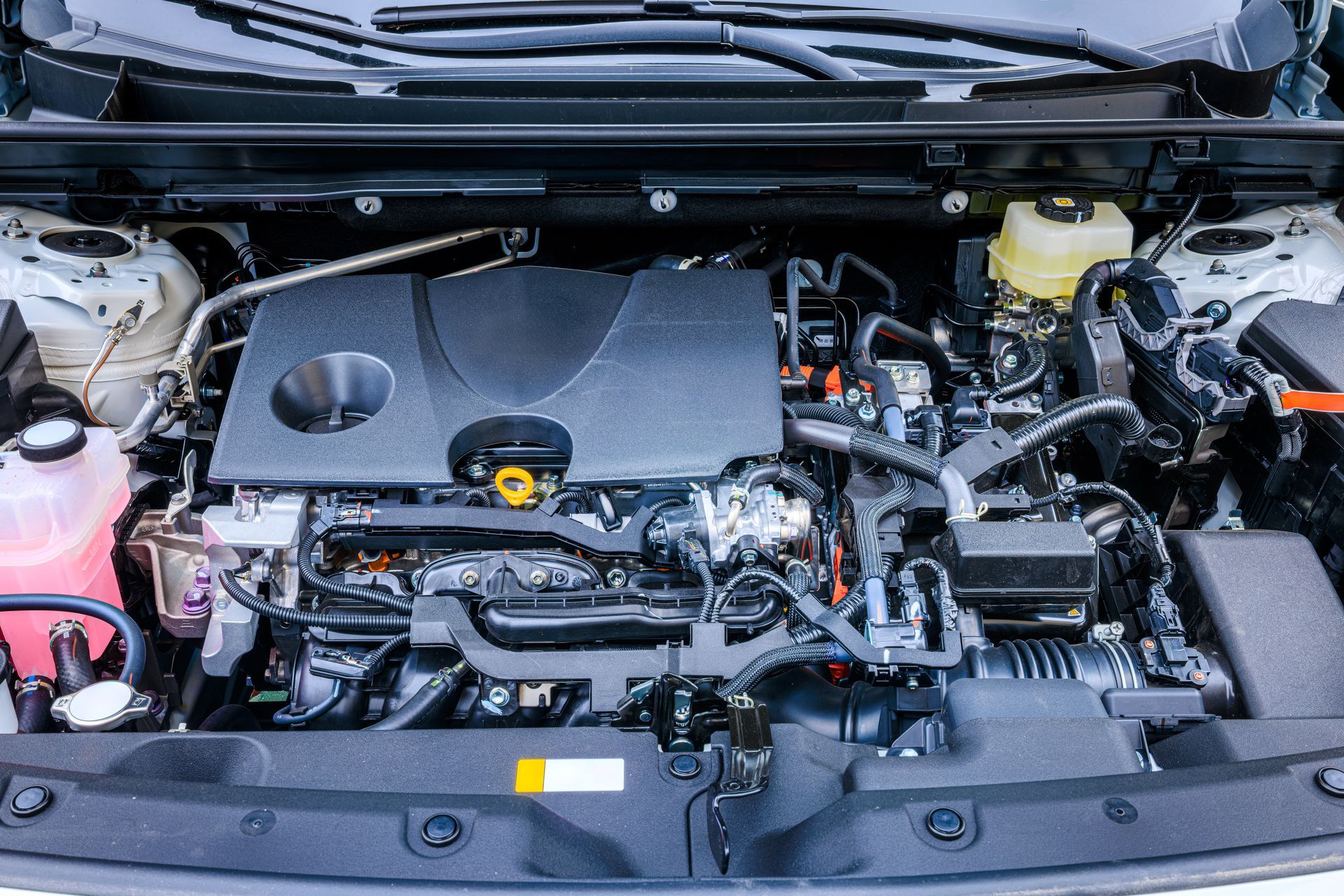
Brake fluid is essential for transmitting the force from your foot to the brake pads. In colder temperatures, brake fluid can become thicker and less effective. Ensure your brake fluid is at the recommended level and of the right type for your vehicle. If it's time for a brake fluid change, get it done before the winter season to optimize braking performance.
3. Tire Maintenance
Your car's tires play a significant role in braking efficiency during winter. Make sure your tires have adequate tread depth and are properly inflated. Winter tires, which have special tread patterns and rubber compounds, may significantly improve traction on snowy and icy roads, enhancing your brake performance. Talk to one of our service advisors to determine if winter tires are a necessary investment for your vehicle this winter.
4. Antilock Braking System (ABS)
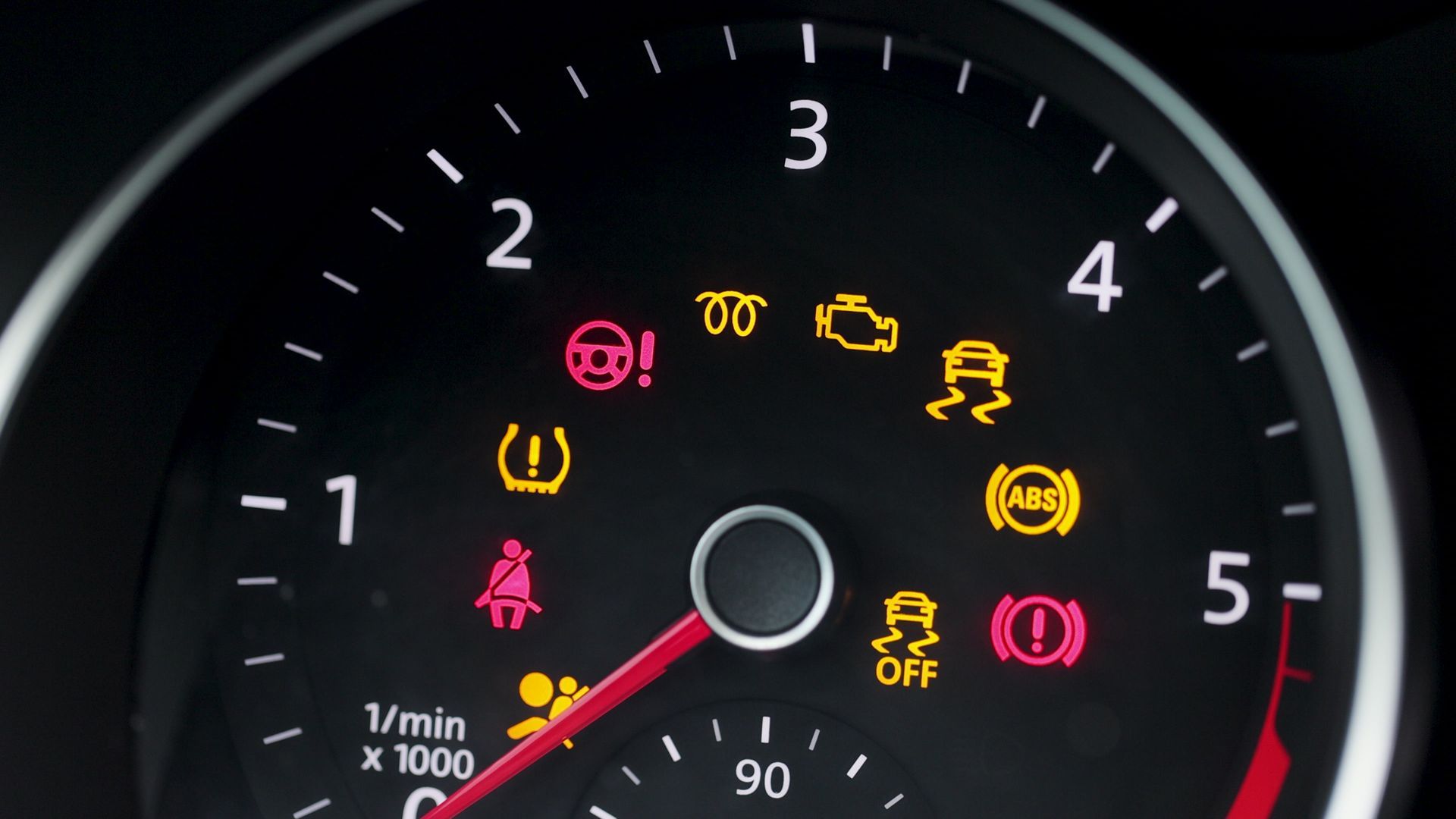
If your car is equipped with an ABS, be aware of how it functions. ABS can prevent wheels from locking up when you brake hard, making it easier to maintain steering control. Practice controlled braking to get a feel for how your ABS operates, especially in slippery conditions.
5. Drive Cautiously
In winter, it's crucial to adjust your driving habits. Increase your following distance and reduce your speed to give yourself more time to react and brake safely. Avoid sudden stops and aggressive maneuvers, as these can lead to loss of control.
6. Brake Pad Replacement
If your brake pads are worn out, they will not provide the stopping power you need in icy conditions. Consider replacing them if they are near the end of their lifespan. Quality brake pads can make a significant difference in stopping distances.
7. Keep Your Brakes Clear
Winter weather often means snow and ice accumulation on your vehicle. Make sure your brake components are free from ice and snow before driving. These obstructions can hinder your brake's ability to engage properly.
Maintaining your car's brakes in the winter is essential for safe and stress-free driving during the colder months. Regular inspections, proper tire care, and cautious driving habits are key components of brake safety. By taking these steps, you can enjoy a worry-free winter season on the road while keeping yourself, your passengers, and other drivers safe.
Are you concerned about your vehicle’s braking health, but not sure where to start? Call one of our five locations and our service team will take it from there!