
No matter how careful you are, it’s inevitable that an emergency will occur . Just because you are an experienced driver doesn’t mean you shouldn’t know how to handle some of the most common emergencies, as knowing what to do can make the difference between having an accident or avoiding one. Here is some advice on that will help you be prepared for anything that happens.
- During a tire blowout, avoid the urge to brake suddenly, as this can cause you to lose control of your vehicle. Instead, press the gas pedal for a couple of seconds and continue driving straight. Let up off the gas and coast to slow down, allowing yourself to get off the highway safely.
- Tread separation begins with a slapping or thumping sound. If you notice this noise, stop immediately and inspect your tires for signs of damage. Continuing to drive after tires have separated can result in serious injury or even death.
- If you experience a stuck throttle, place your transmission in neutral in order to keep it from accelerating too quickly. Should your gearshift also become stuck, turn off your car’s ignition. As a last resort, you may also pull the parking brake.
- When driving on ice, avoid sudden braking, turning or acceleration. Press the brake slowly and firmly while gently turning your steering wheel in the opposite direction as you are spinning.
- When faced with a tailgater, gently release the accelerator to reduce your speed, as this will encourage the other driver to go around you. Leave plenty of distance between yourself and the vehicle in front of you just in case you are rear-ended first.
When it comes to driving emergencies, the best way to handle them is to avoid them in the first place. This requires keeping your vehicle in tip-top condition at all times, which is why you should contact us for maintenance and repairs.
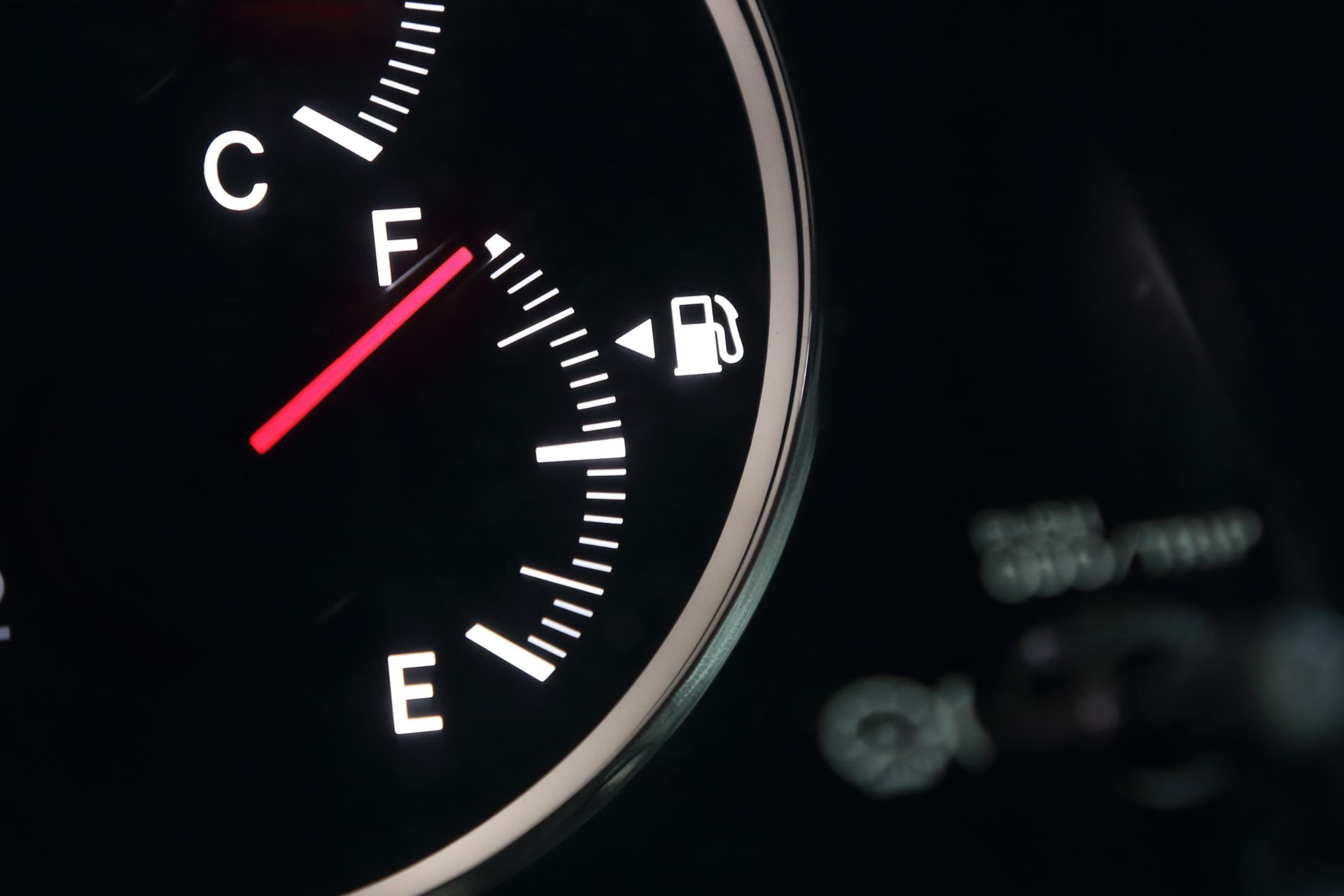
Paul Campanella’s Auto Centers in Delaware and Pennsylvania explains why a fuel sending unit may give an incorrect reading.
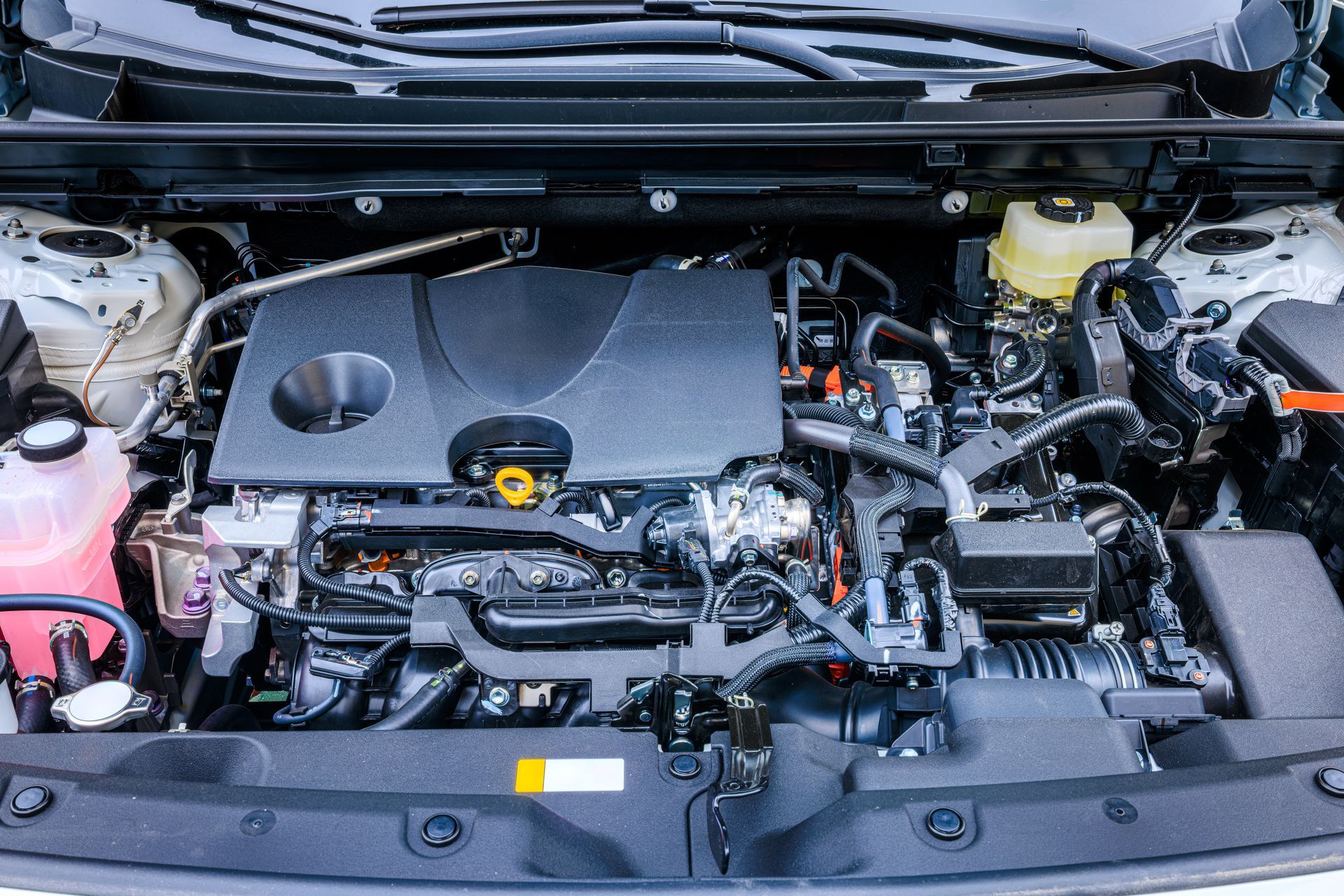
Learn why hybrid cars still need oil changes with help from Paul Campanella’s Auto Centers in Delaware and Pennsylvania.
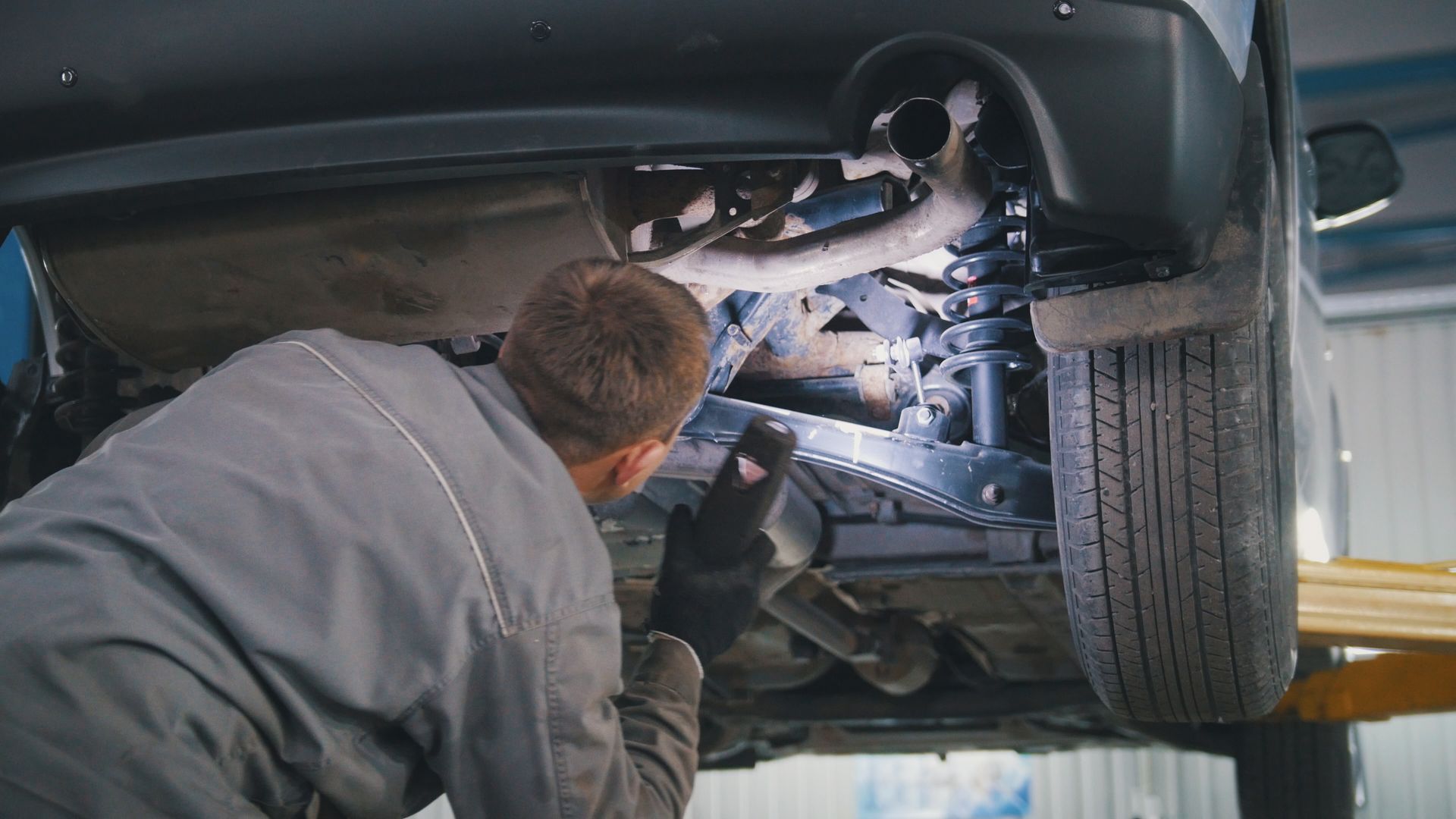
Hear clicks, clunks, whines, or whistles from your car? Learn what common car sounds could mean from Paul Campanella’s Auto Centers.
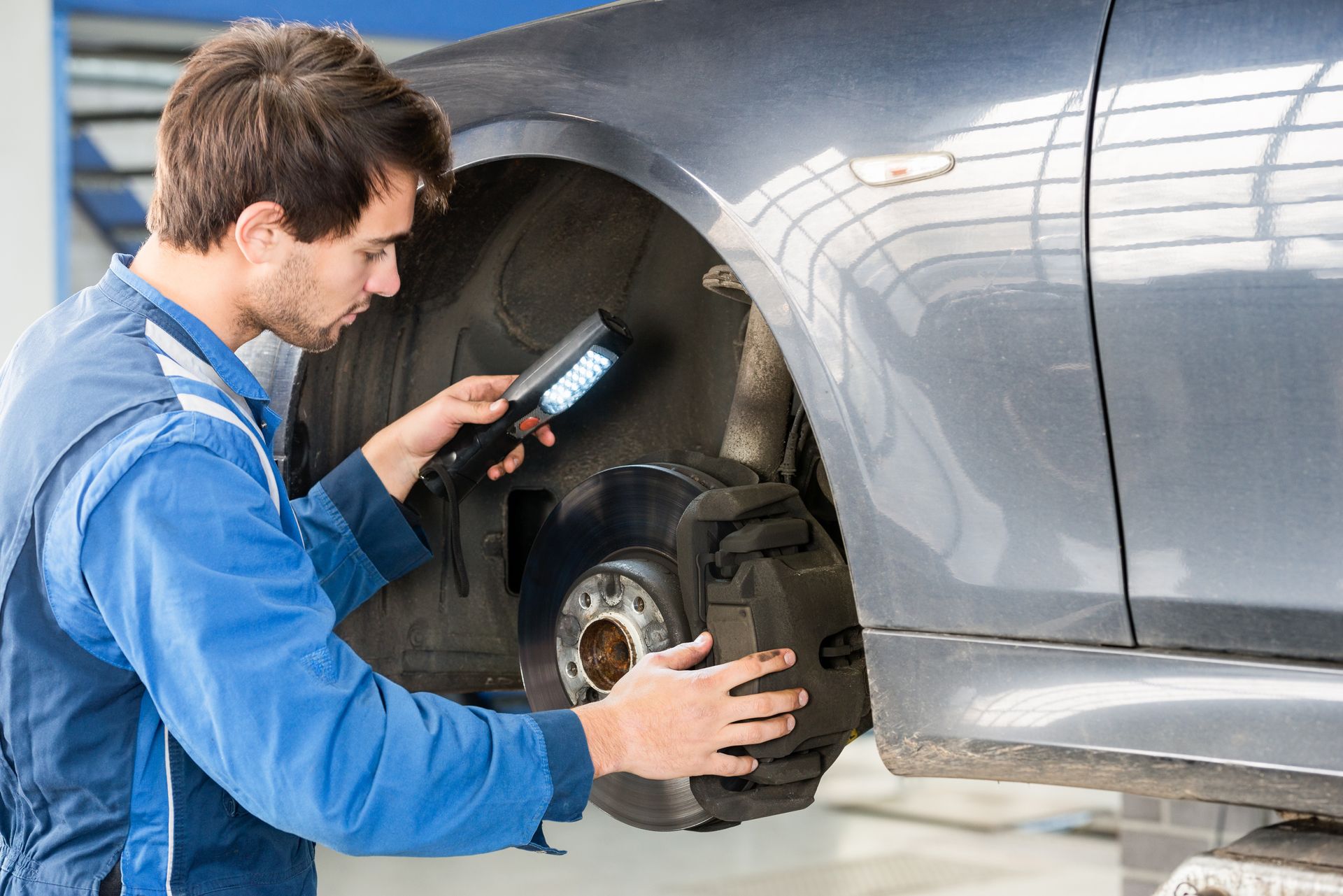
Paul Campanella's Auto Centers in Delaware and Pennsylvania explains the signs of brake fade that mean repair should not wait.
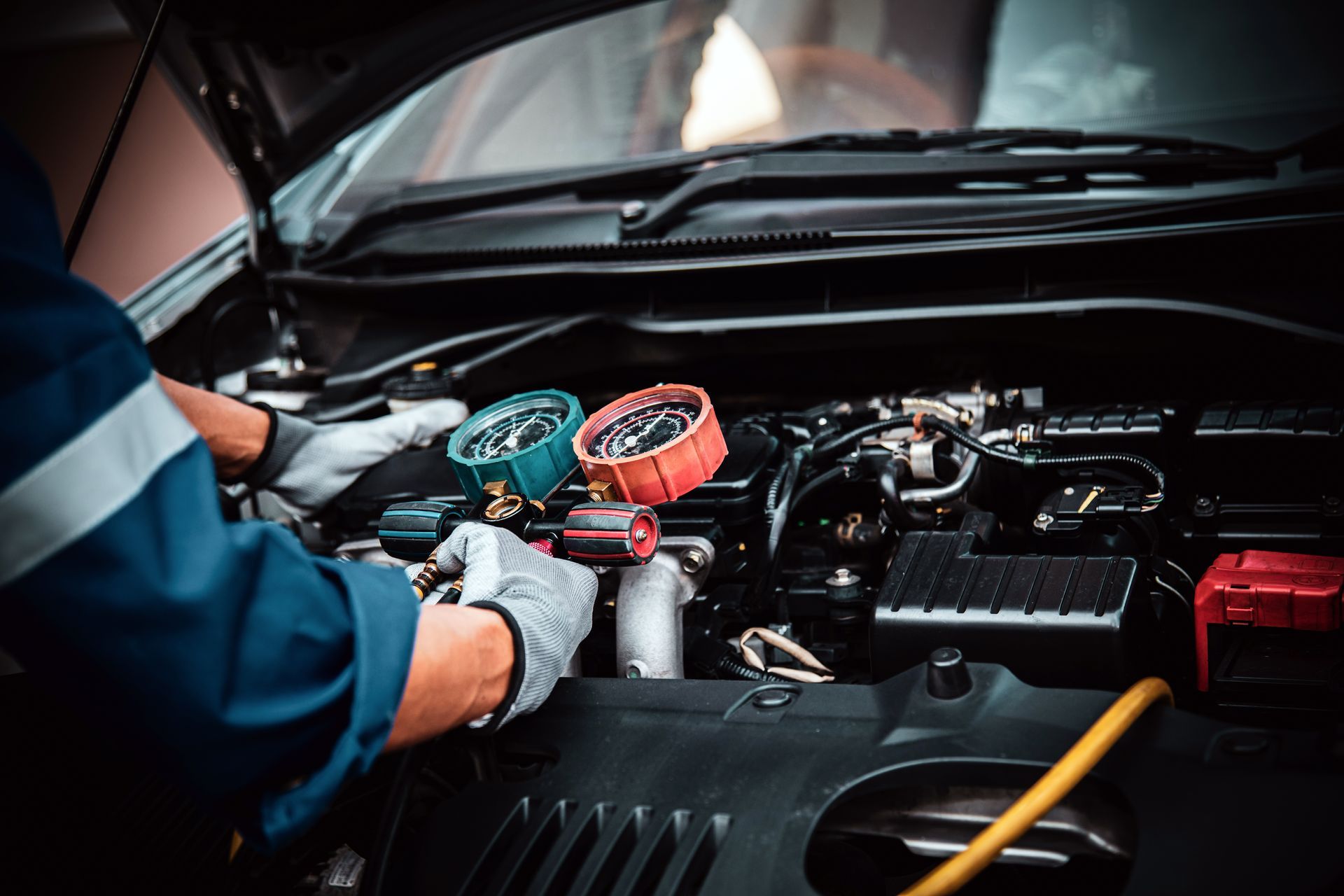
Paul Campanella's Auto Centers in Delaware and Pennsylvania explains why spring is the best time for an A/C inspection.
Why does my car AC smell? Learn the most common causes of bad AC odors, from mold and bacteria to cabin air filters, and how to fix them.
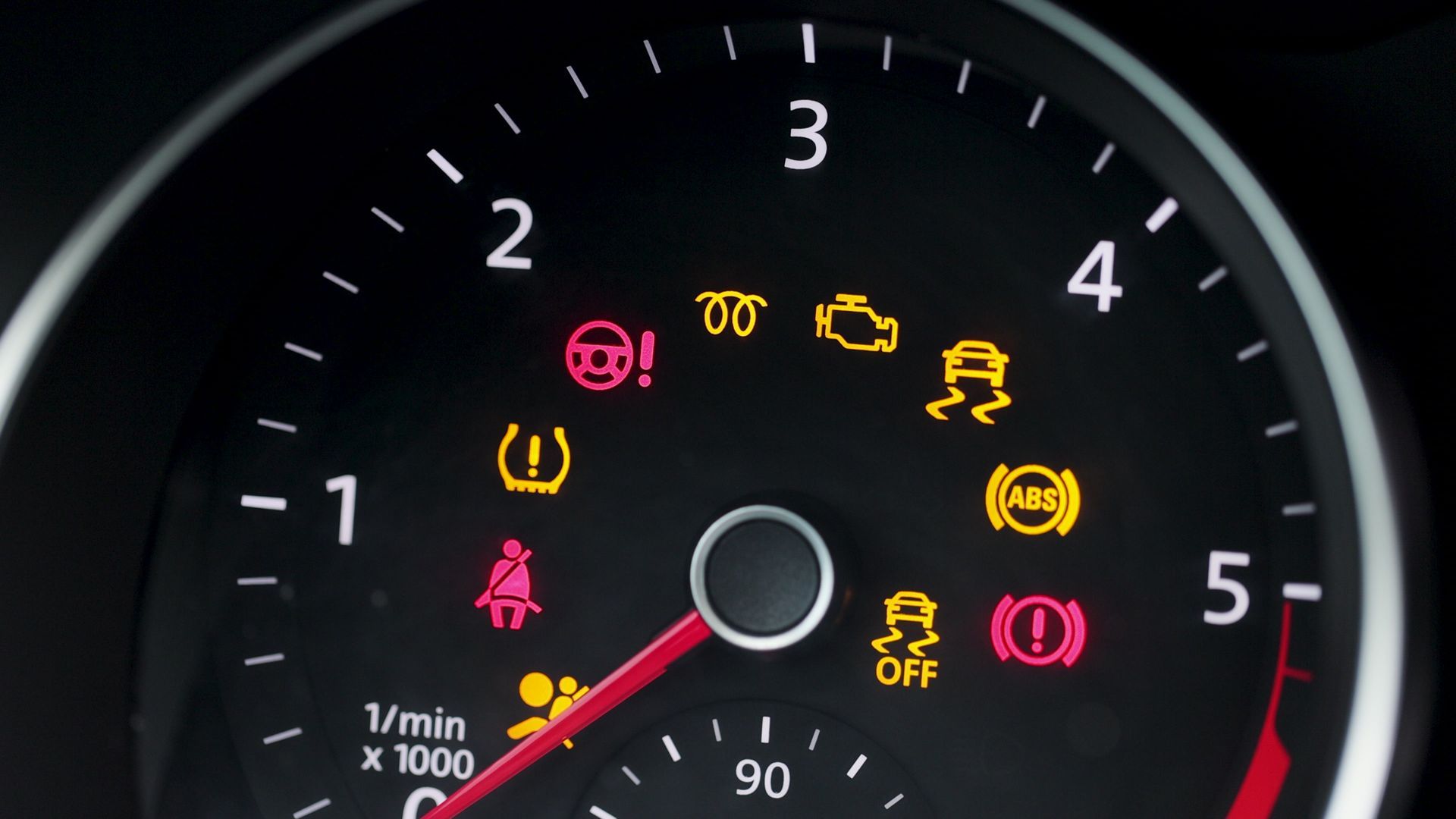
Paul Campanella’s Auto Centers in Delaware and Pennsylvania explains why dashboard lights may suddenly start flickering.
Why does my car keep burning oil? Learn the most common causes of engine oil consumption, what symptoms to watch for, and when to schedule an inspection.
Why does my car battery keep dying? Learn the most common causes, from alternator failure to parasitic drain, and when to schedule a professional inspection.
Paul Campanella's Auto Centers in Delaware and Pennsylvania explains eight DIY repair mistakes that create bigger problems and when to leave them to the pros.