Do I need to replace rusty rotors?

June 24, 2022

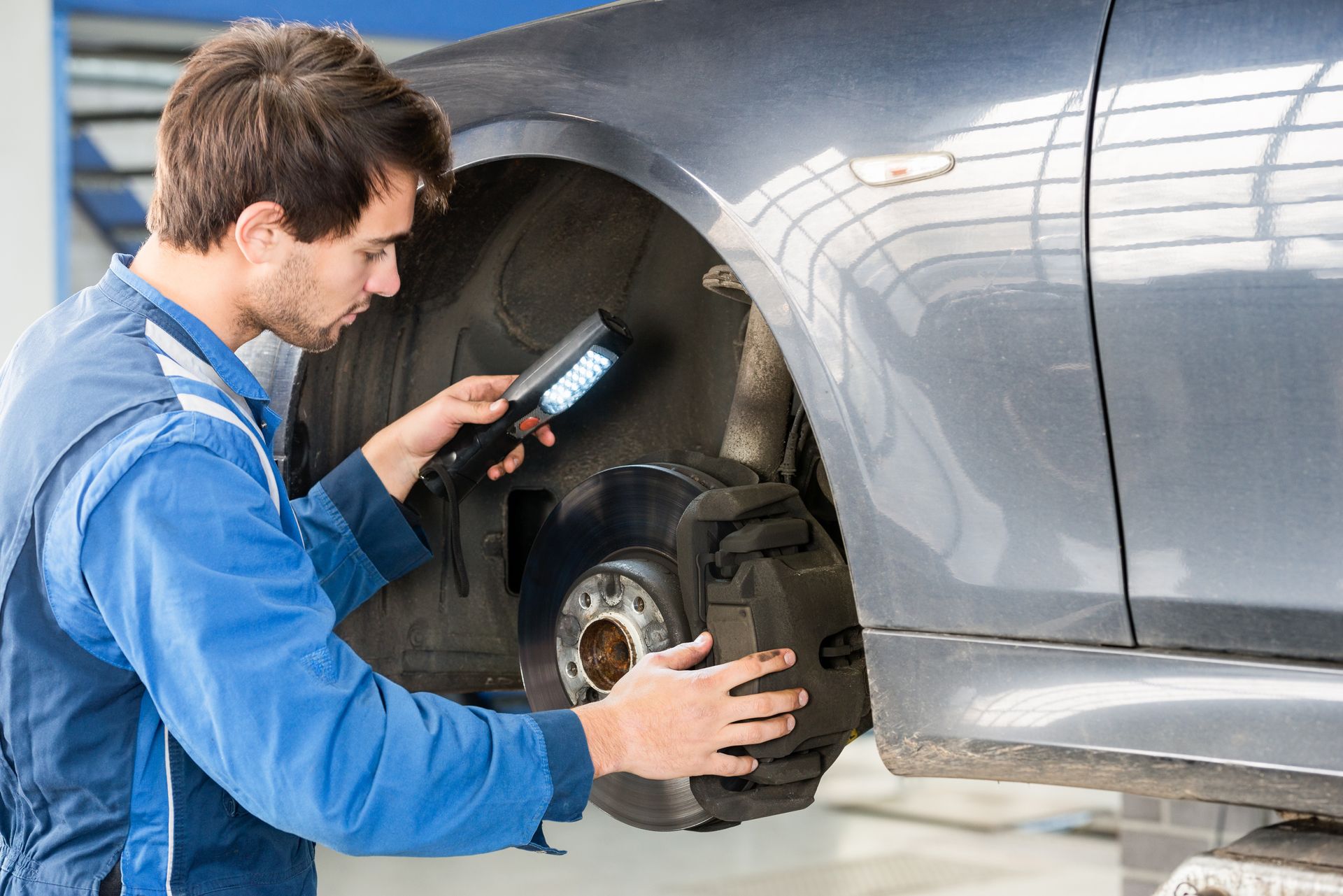
How much rust is too much rust? For most standard vehicles, brake rotors are made of cast-iron or steel, both of which rust when exposed to moisture. It’s inevitable that brakes will gather a little rust from being exposed to the elements. Light rusting is nothing to sweat over if its formation is supervised. If you’re worried about rust forming on your brakes, it’s easy to clean or request that your auto technician wipe it off when inspecting your vehicle. If your brakes are not performing at top speed, bring your vehicle into your local auto repair shop so they can assess the issue.

Problems arise when rust builds up around the area where the brake pads touch the rotor. Rust reduces friction between the rotor disc and pads, causing the vehicle to wobble and shake when braking. If left alone, rust builds up on the outside of the brake pads’ path. This rust ring may cause your vehicle to shake and take longer to brake.

Besides rust, small holes or "pits" may also form on neglected rotors. Overheating and corrosion create pitting on the surface of a rotor. Consistent hard braking can warp or form indents on the rotor that reduce friction with the pads. Natural elements like salt and water also corrode the metal in your brakes. Worn brake pads also cause pitting when they are “metal to metal” with the rotor. Pitting also happens when the brakes don't have proper lubrication or endire corrosion from lack of washing.

Replacing any part of your vehicle depends on how often you use it and environmental factors. Ask your local auto repair shop for a personalized recommendation for rotor replacement. Worried about your vehicle's health? Schedule an appointment with Paul Campanella’s Auto & Tire Center to receive a free diagnostic check.
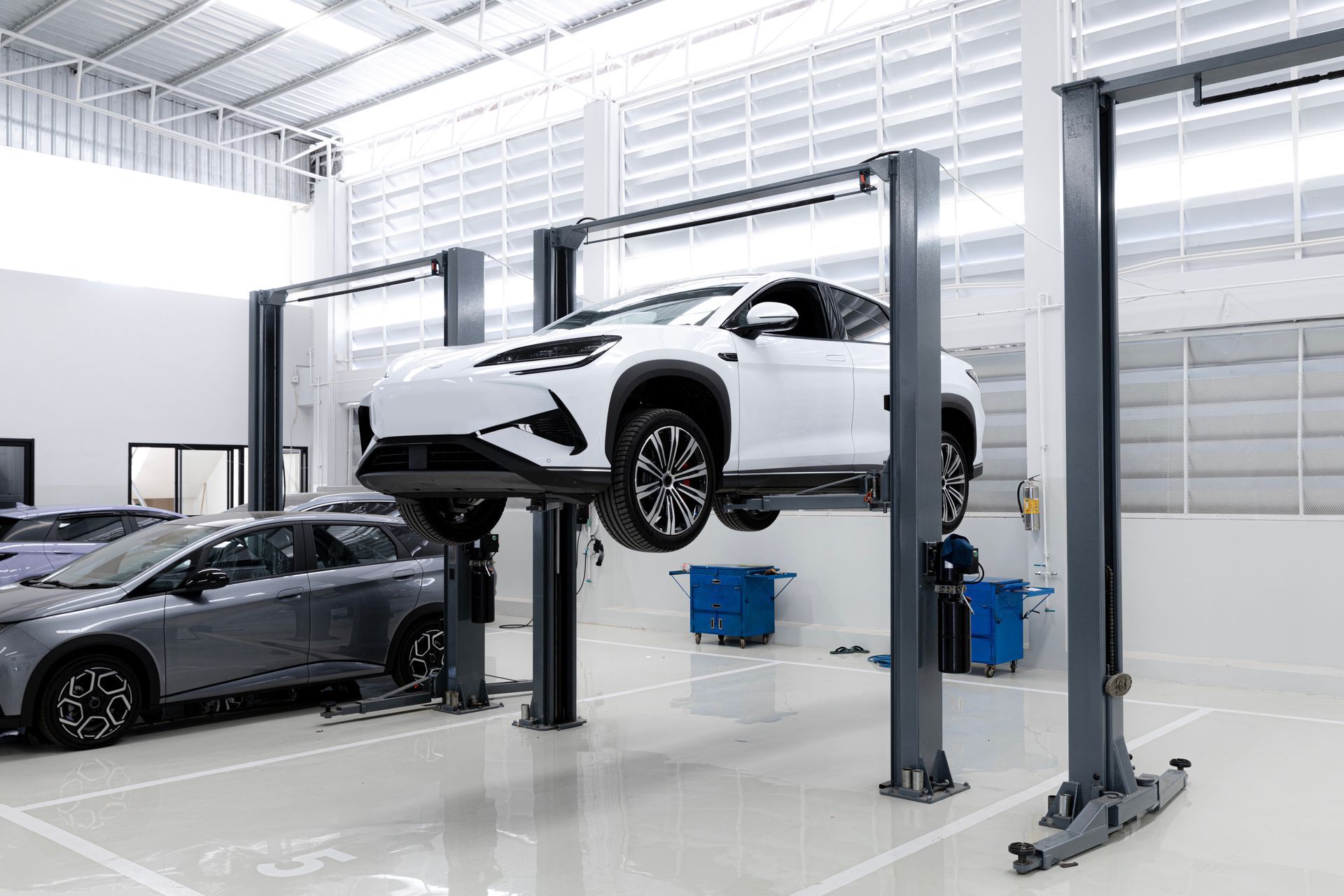
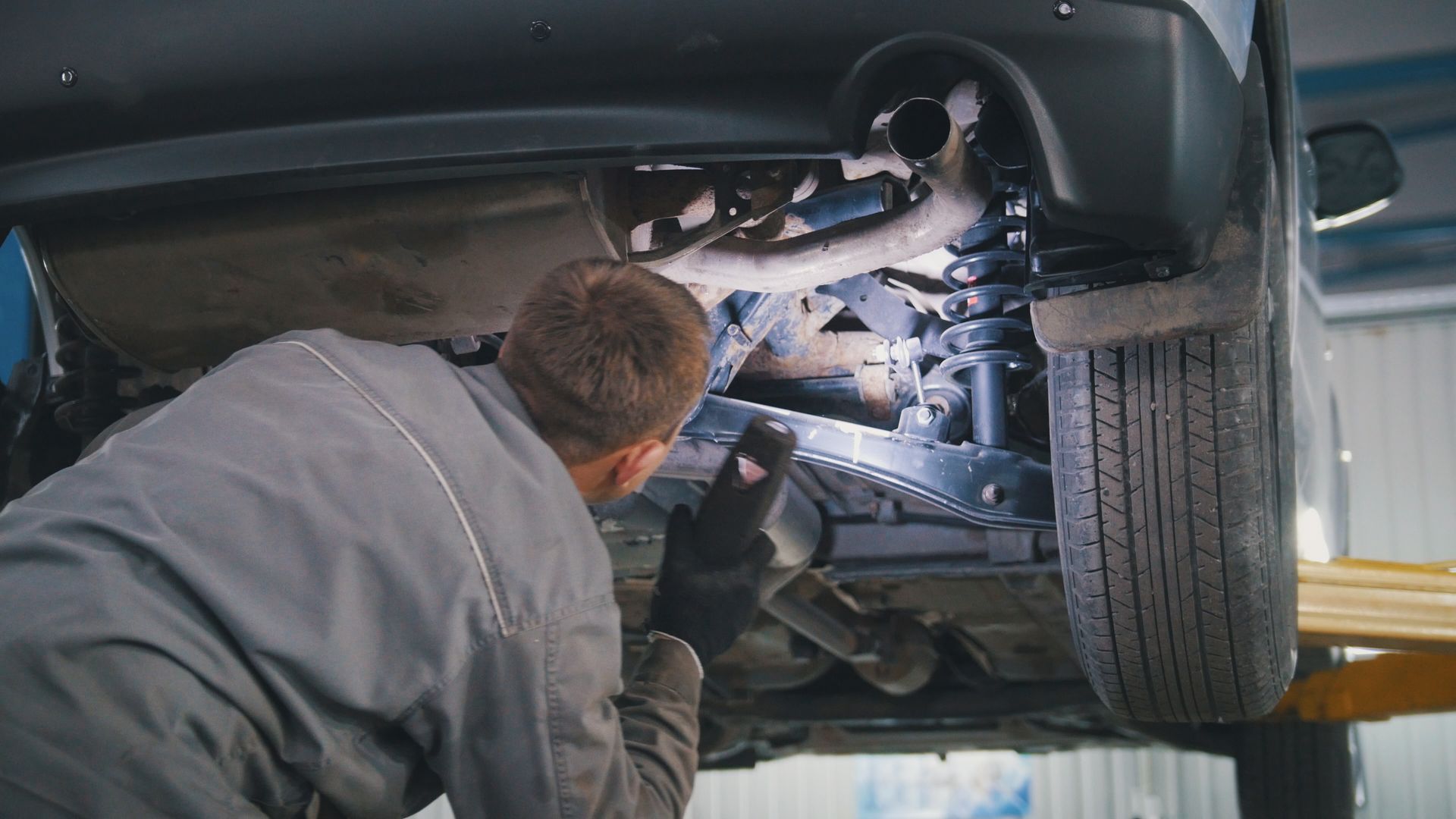
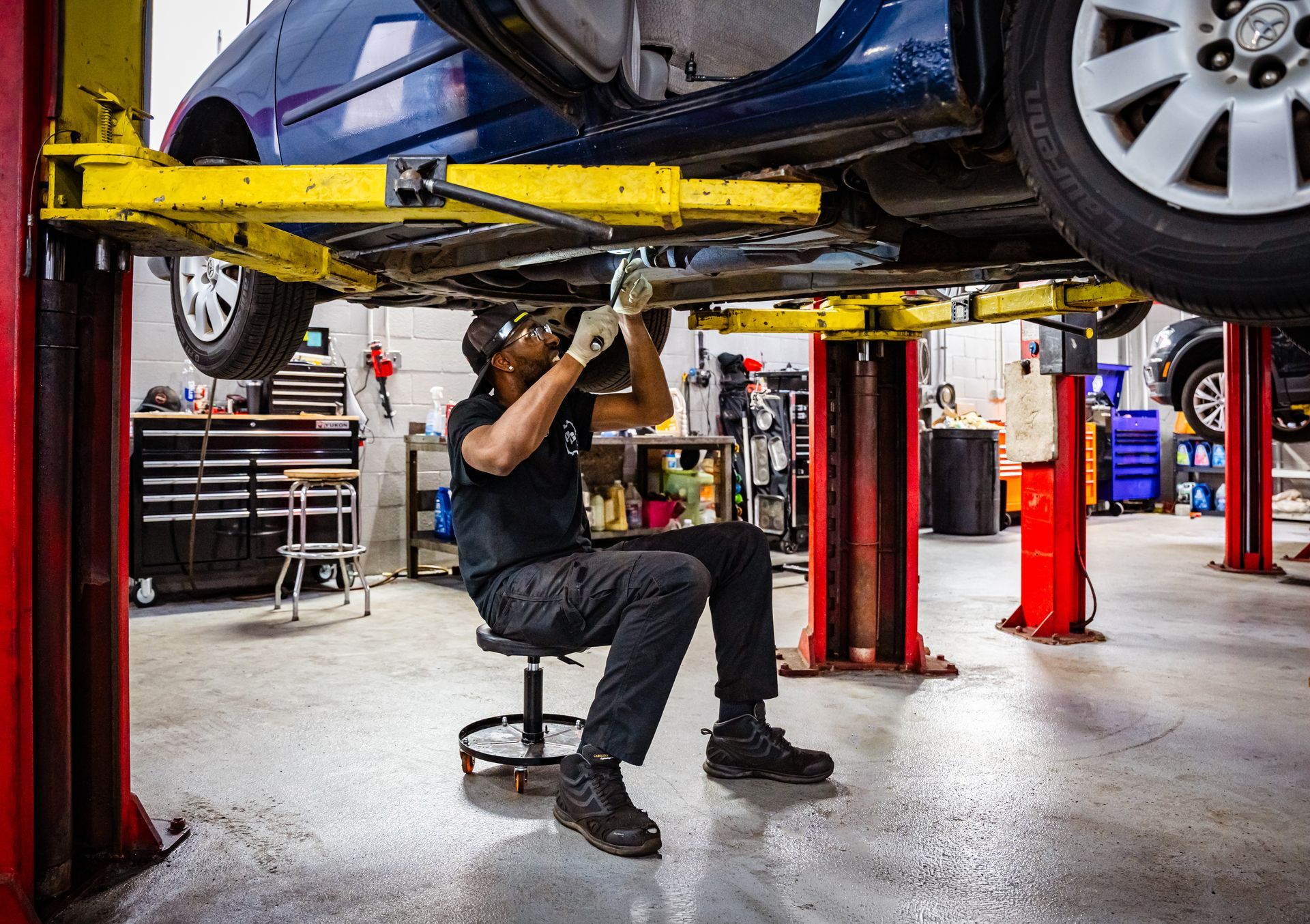
Technician inspecting the undercarriage of a  car at Paul Campanella’s Auto Centers.
By Dylan Corcoran March 12, 2026
Why does my car keep burning oil? Learn the most common causes of engine oil consumption, what symptoms to watch for, and when to schedule an inspection.
Technicians at Paul Campanella’s Auto Centers diagnosing a vehicle under the hood in a professional
By Dylan Corcoran March 3, 2026
Why does my car battery keep dying? Learn the most common causes, from alternator failure to parasitic drain, and when to schedule a professional inspection.
8 DIY Car Repair Mistakes That Create Bigger Problems | Paul Campanella's Auto Centers
February 27, 2026
Paul Campanella's Auto Centers in Delaware and Pennsylvania explains eight DIY repair mistakes that create bigger problems and when to leave them to the pros.
Technician inspecting and repairing suspension components on a vehicle lifted in an auto repair shop
By Dylan Corcoran February 26, 2026
Car squeaking when you turn? Learn the most common causes, from suspension wear to power steering issues, and when it’s time for a professional inspection.
Technician at Paul Campanella’s Auto Centers inspecting a vehicle’s suspension and brake components.
By Dylan Corcoran February 19, 2026
Car shaking when you accelerate? Learn the most common causes, from spark plugs to tire and drivetrain issues.
Mechanic testing a car battery with a digital multimeter under the hood .
By Dylan Corcoran February 12, 2026
Car won’t start in the cold? Learn the most common winter causes like dead batteries, fuel issues, and starter problems, plus what to do next in Delaware and PA.
4 Clear Signs Your CV Axle Is Failing | Paul Campanella’s Auto Centers
January 30, 2026
Paul Campanella’s Auto Centers in Delaware and Pennsylvania explain four clear signs your CV axle is failing and why early repair prevents breakdowns.
When to Repair vs. Replace Your Damaged Muffler | Paul Campanella’s Auto Centers
December 19, 2025
Paul Campanella’s Auto Centers in Delaware and Pennsylvania explain when a damaged muffler can be repaired and when replacement is the safer long-term choice.
How to Check Your Car's Fluids? Transmission Fluid, Engine Oil, and More | Paul Campanella’s Auto Ce
November 28, 2025
A quick, owner-friendly guide to checking engine oil, coolant, transmission fluid, brake fluid, and more - plus tips on when to seek service.
How Does Bad Fuel Impact Engine Performance in Modern Cars? | Paul Campanella’s Auto Centers
October 31, 2025
Discover why poor-quality fuel can disrupt modern engines, common symptoms, and steps to protect your car.