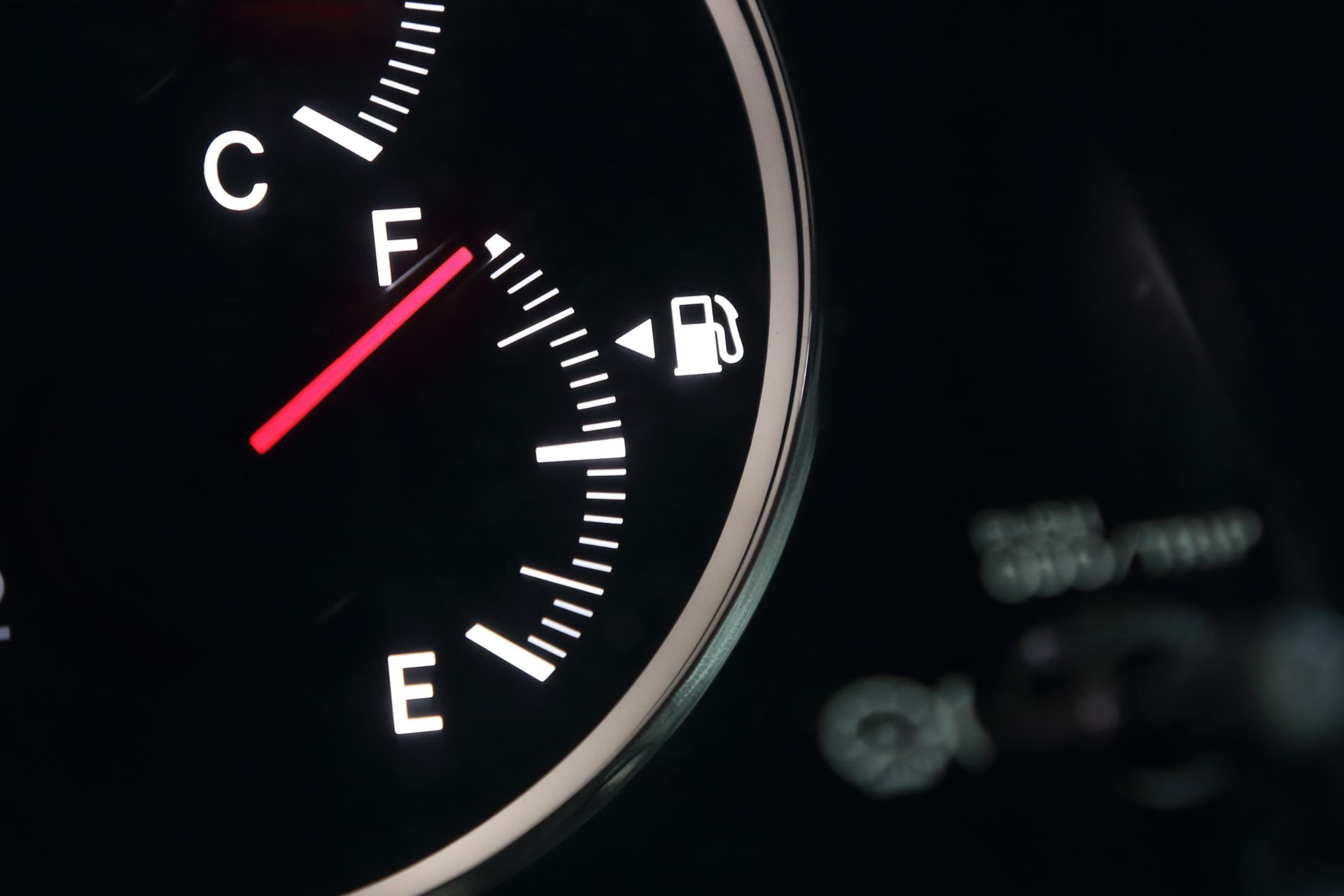
When you drive by the gas pumps and see the option for E85, do you ever wonder what the difference is between cars that can be fueled with E85 and cars that take regular unleaded gasoline? Who can use E-85 to save money on gas cost?
E85 is an option for flex-fuel vehicles. Flex-fuel vehicles are specially designed to accept fuel that mixes just 15% gasoline with 85% ethanol. The exact percentages can be adjusted for optimal performance in different climates and different elevations. So the E85 you buy in Delaware might be slightly different from E85 in other states, because it will be customized just for Delaware drivers.
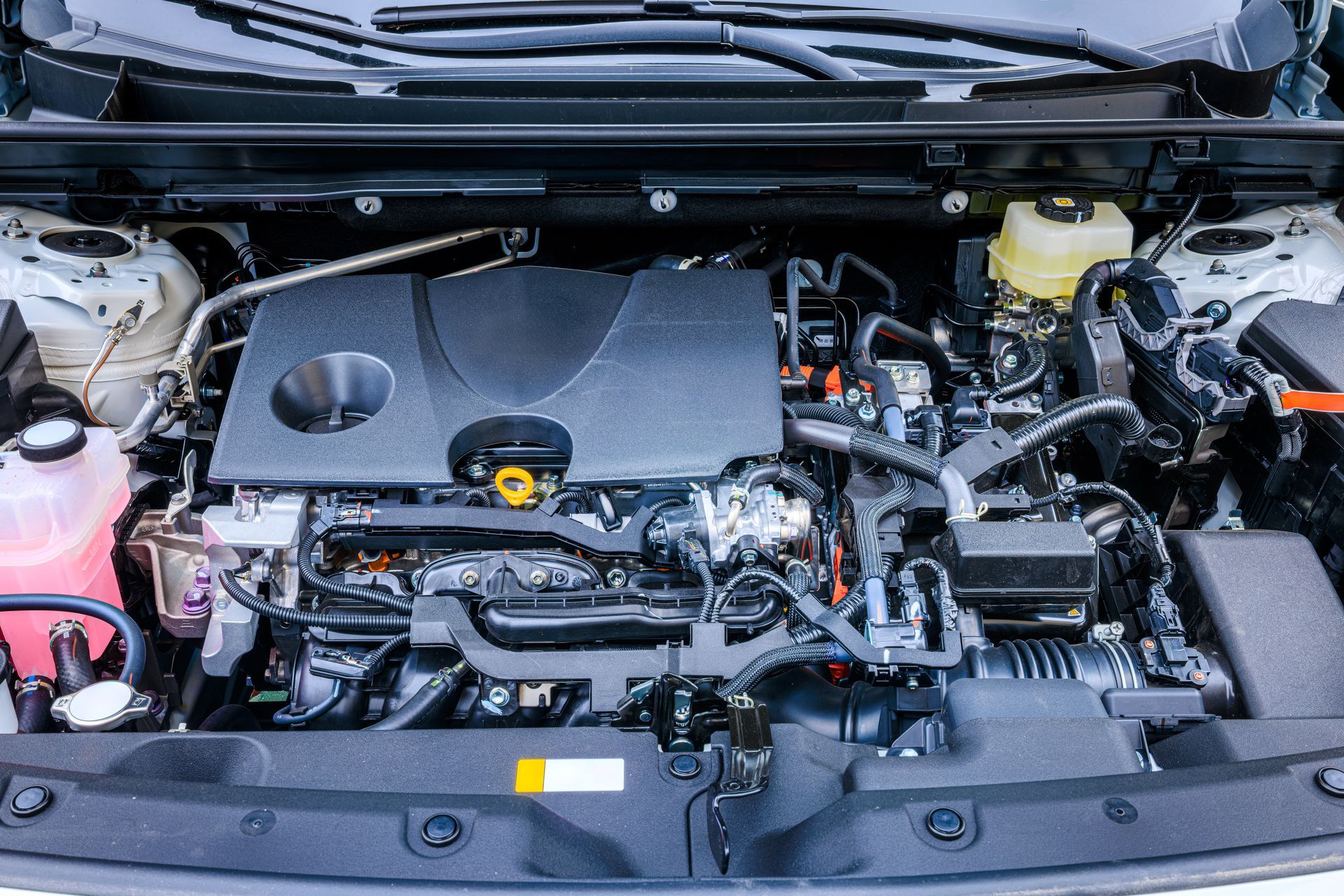
Fuel systems have to be modified to accept E85 because ethanol conducts electricity and gasoline does not. The fuel systems in flex-fuel vehicles are created without rubber, aluminum or magnesium parts, and the car’s fuel injection control system is designed differently to allow a greater injection of fuel.
Ford and GM have a strong line of flex-fuel vehicles, and have made a commitment to continue the production of cars that are fueled by E85. Drivers of flex-fuel love the lower prices they see at the pumps. Environmentalists love E85 because the ethanol that makes up the vast majority of E85 is made from corn, a renewable resource instead of fossil fuels that are not renewable.
If you don’t have a flex-fuel vehicle there are plenty of other ways to save money while your drive. Below is a service list of what can be done to your car and the estimated percentage of fuel savings it will bring.
Improve Gas Milage For Non Flex Fuel Cars
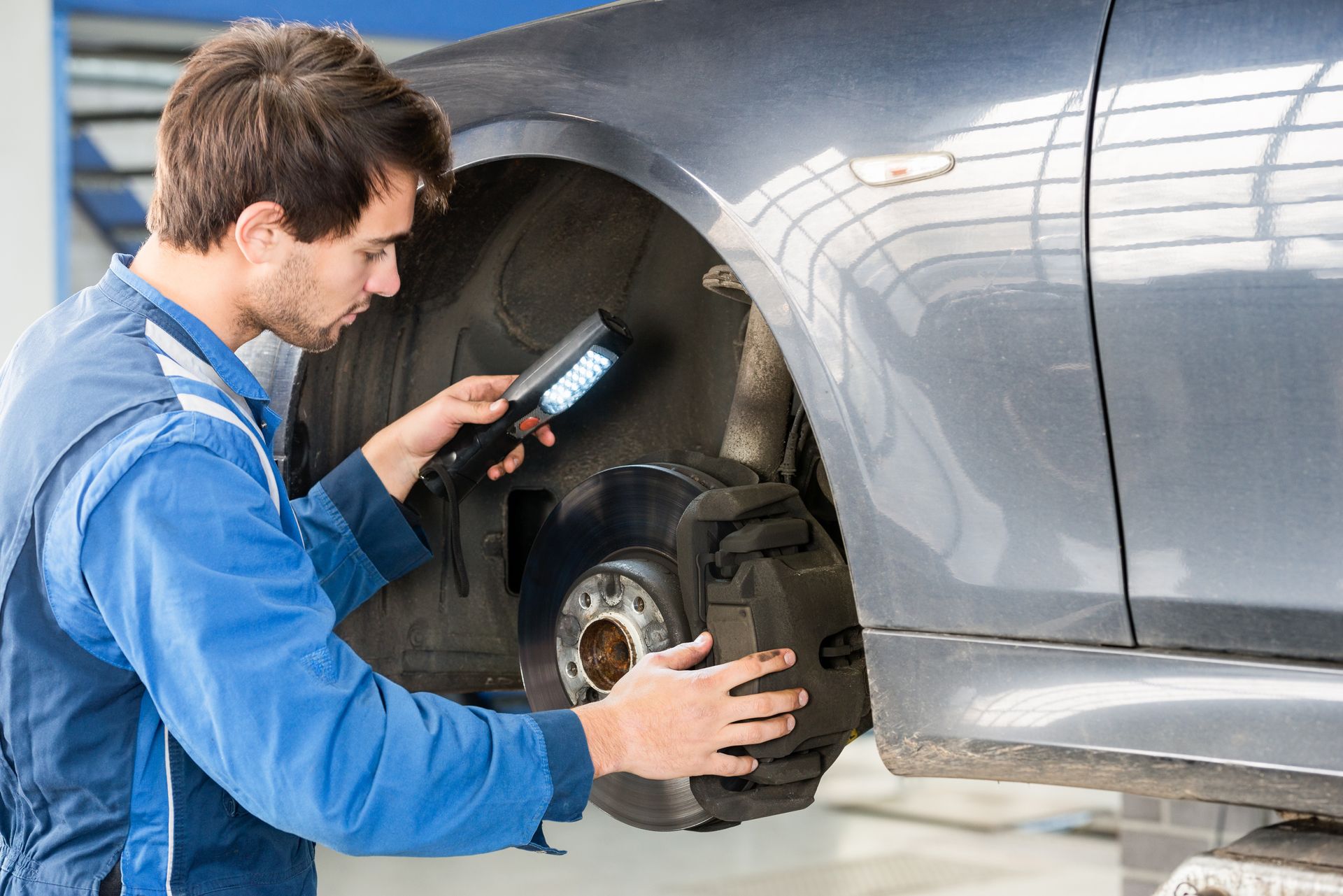
- Tire Nitrogen Conversion – Savings = 6% – 23% -Replace the air in your tires with pure nitrogen gas. This is the single easiest way to increase mileage and tire life. This information was sourced from Clemson University, Department of Mechanical Engineering, Nader Jahill Ph. D. 2007
- Tire Condition and Inflation Level Savings = 6% Correct tire pressure increases safety and can add to your gas mileage over under-inflated tires. Source – Federal Trade Commission, ftv.gov.
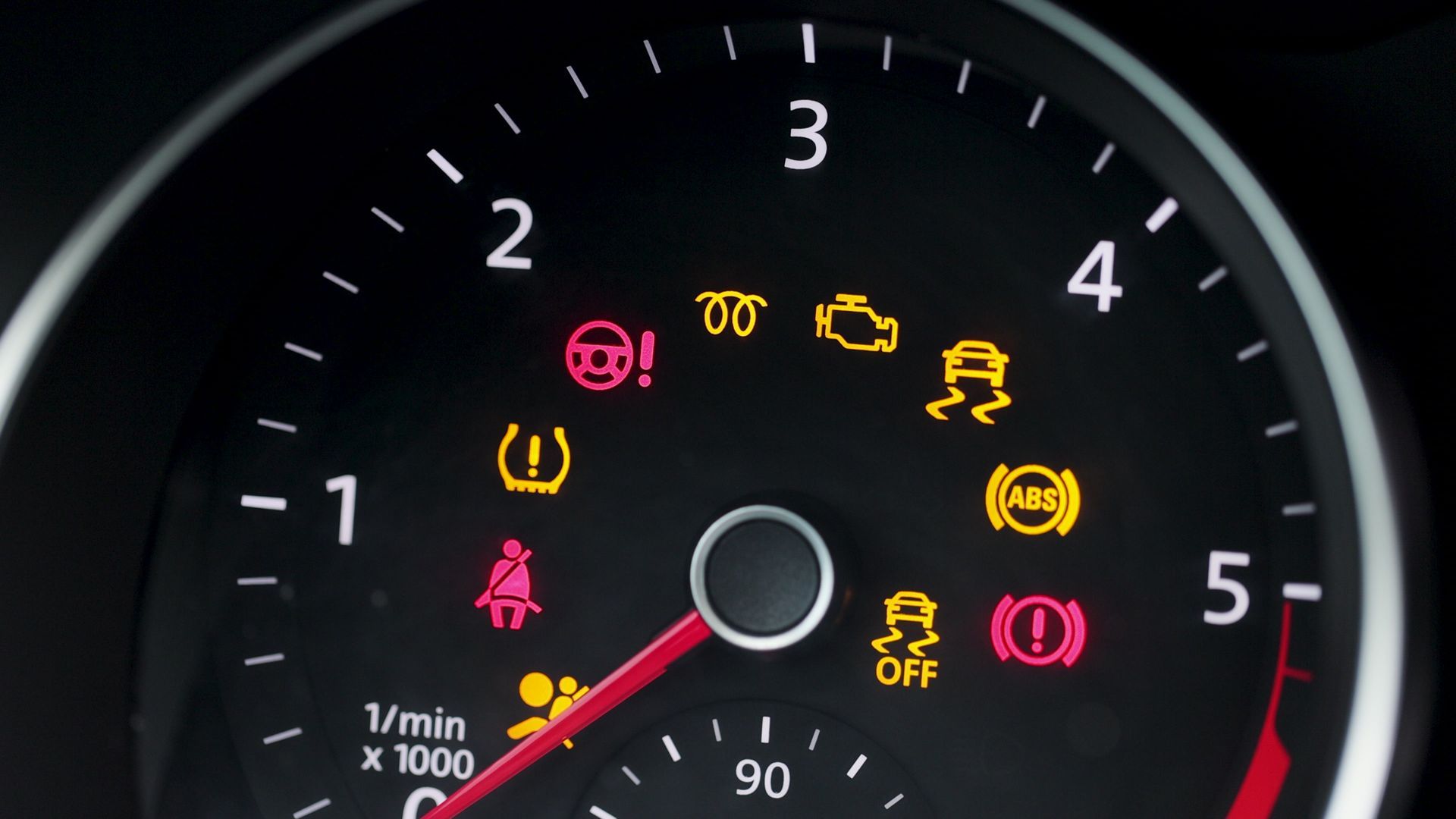
- Fixing Faulty O2 Sensor – Savings = 40% Diagnosing and fixing a serious maintenance problem such as you oxygen sensor can greatly improve your mileage.
- Air and Fuel Injection Service – Savings = 6% to 8% A clean fuel system will ensure peak performance and fuel economy. This is recommended every 30K miles. Source “ How to Improve MPG with Clean Fuel Injectors, ehow.com
- Change Air Filter – Savings = 10% A new air filter ensures a proper flow of clean filtered air to the combustion chamber. A clogged air filter can lower gas mileage by significant amounts. This change is recommended every 16K miles.
- Change Fuel Filter – Savings = 5% to 40% Changing your fuel filter is recommended every two years.
- Factory Recommended Maintenance = Savings 10% – 20% Follow the recommended maintenance schedule in your owners manual. It will improve gas mileage and keep your car running smoothly.
For tips and tricks for your car please contact us , we are experts in auto repair and tires in Wilmington, Delaware